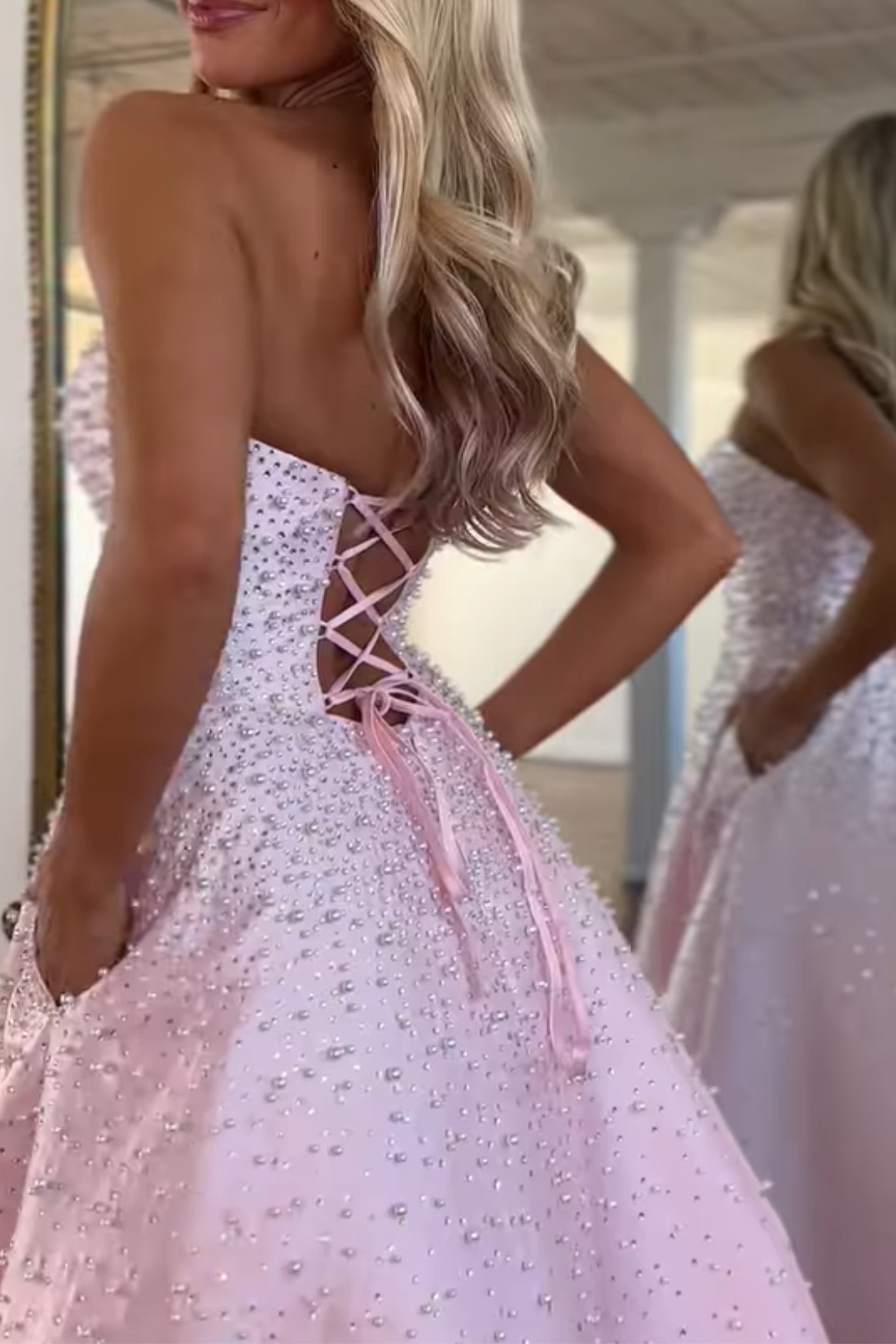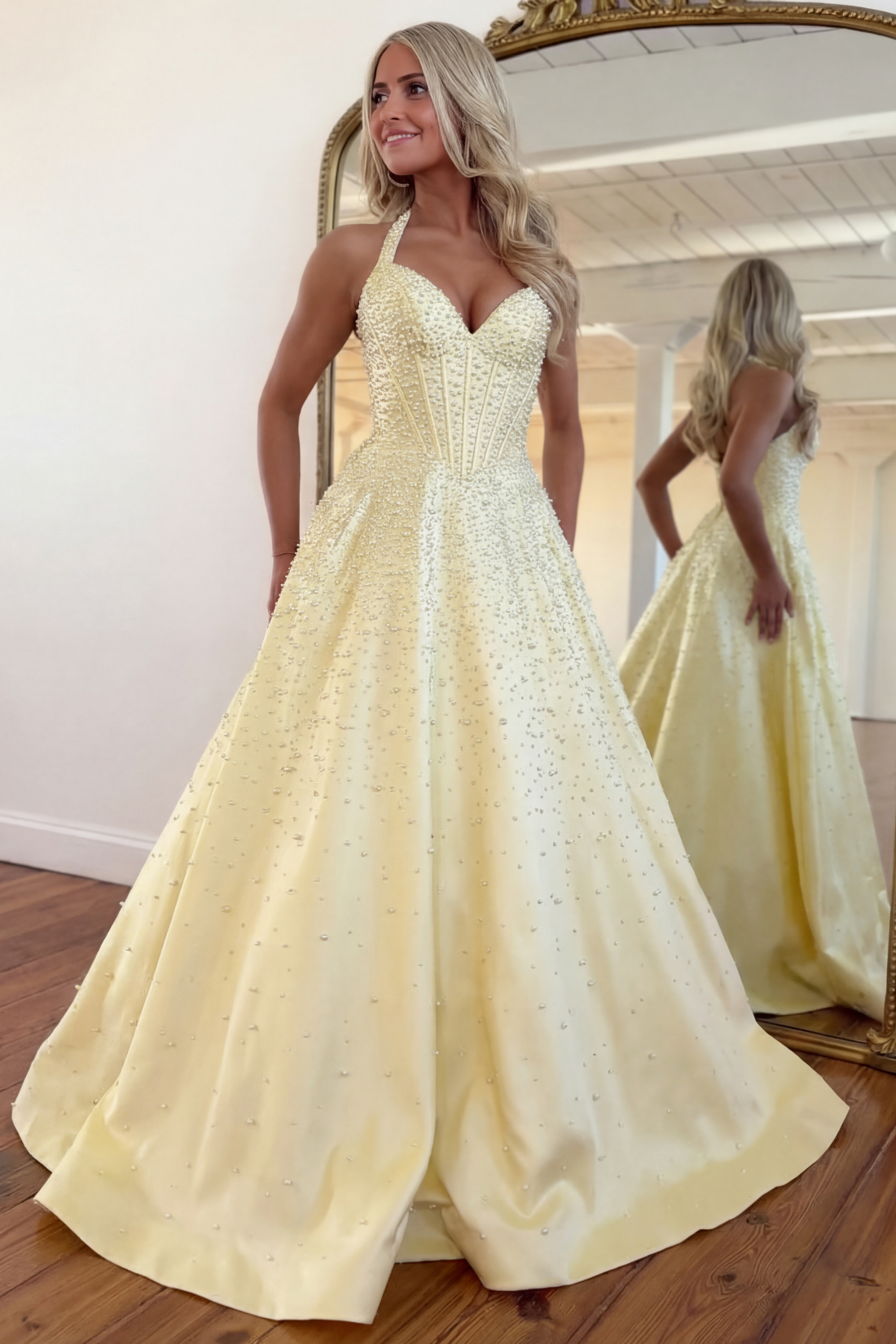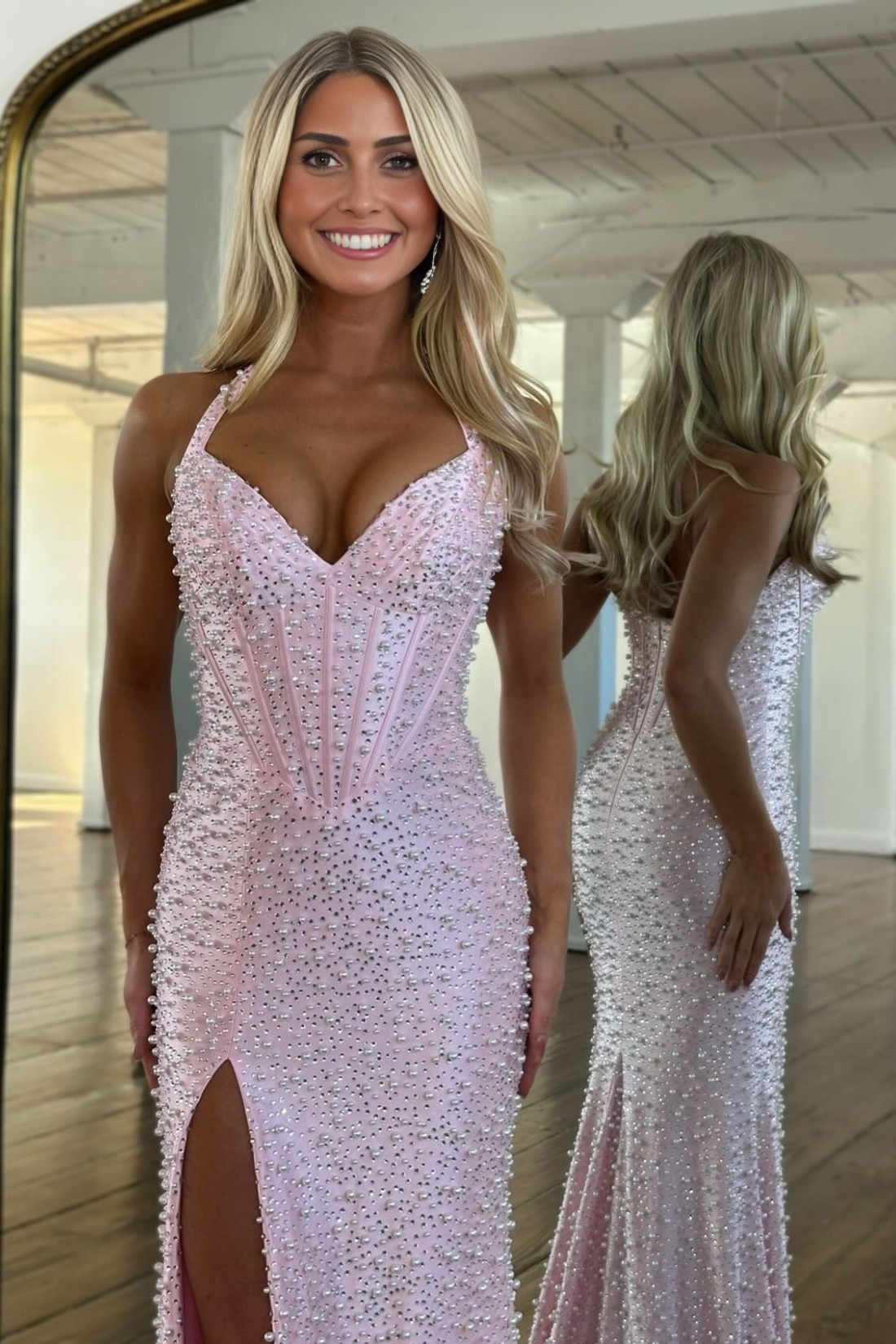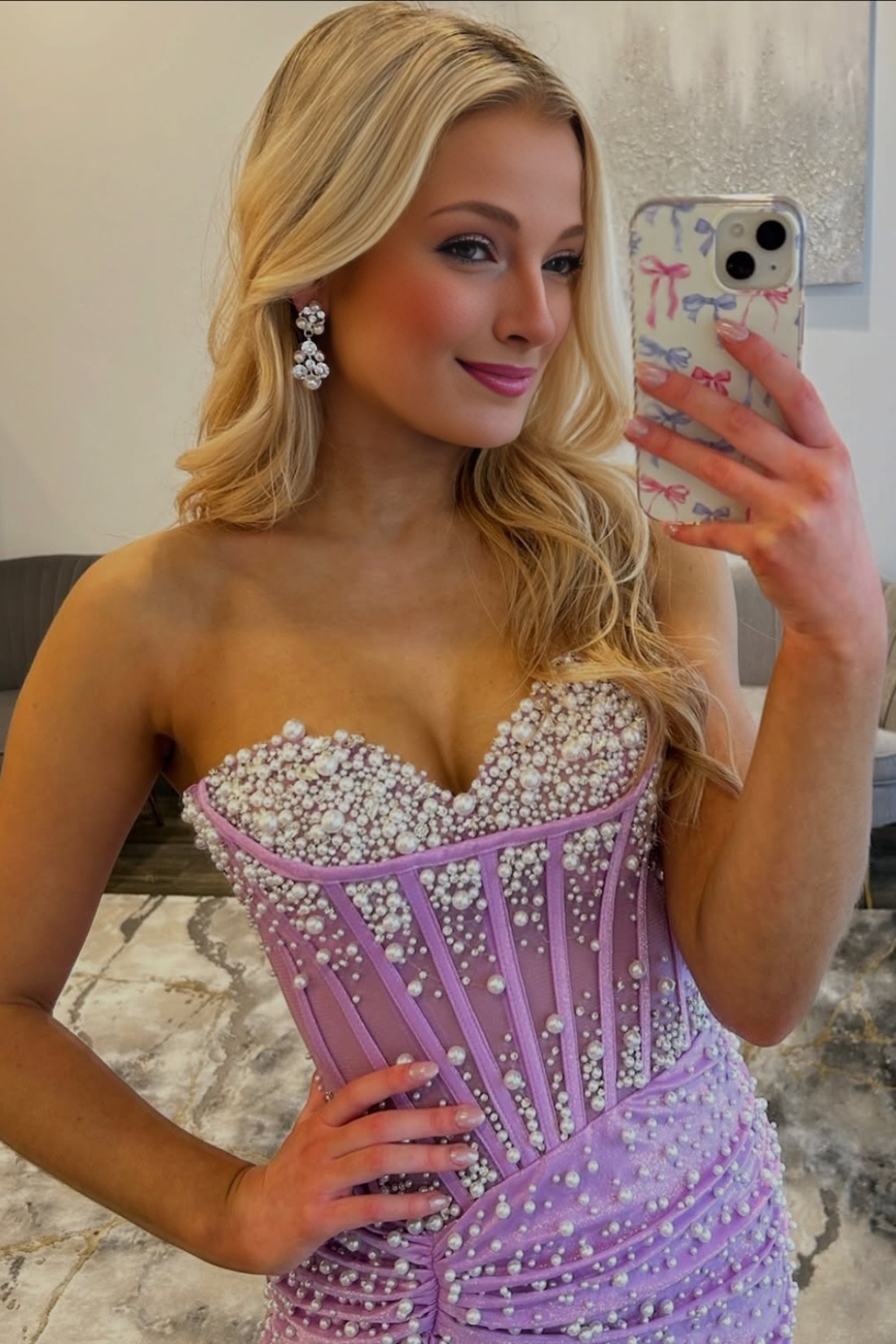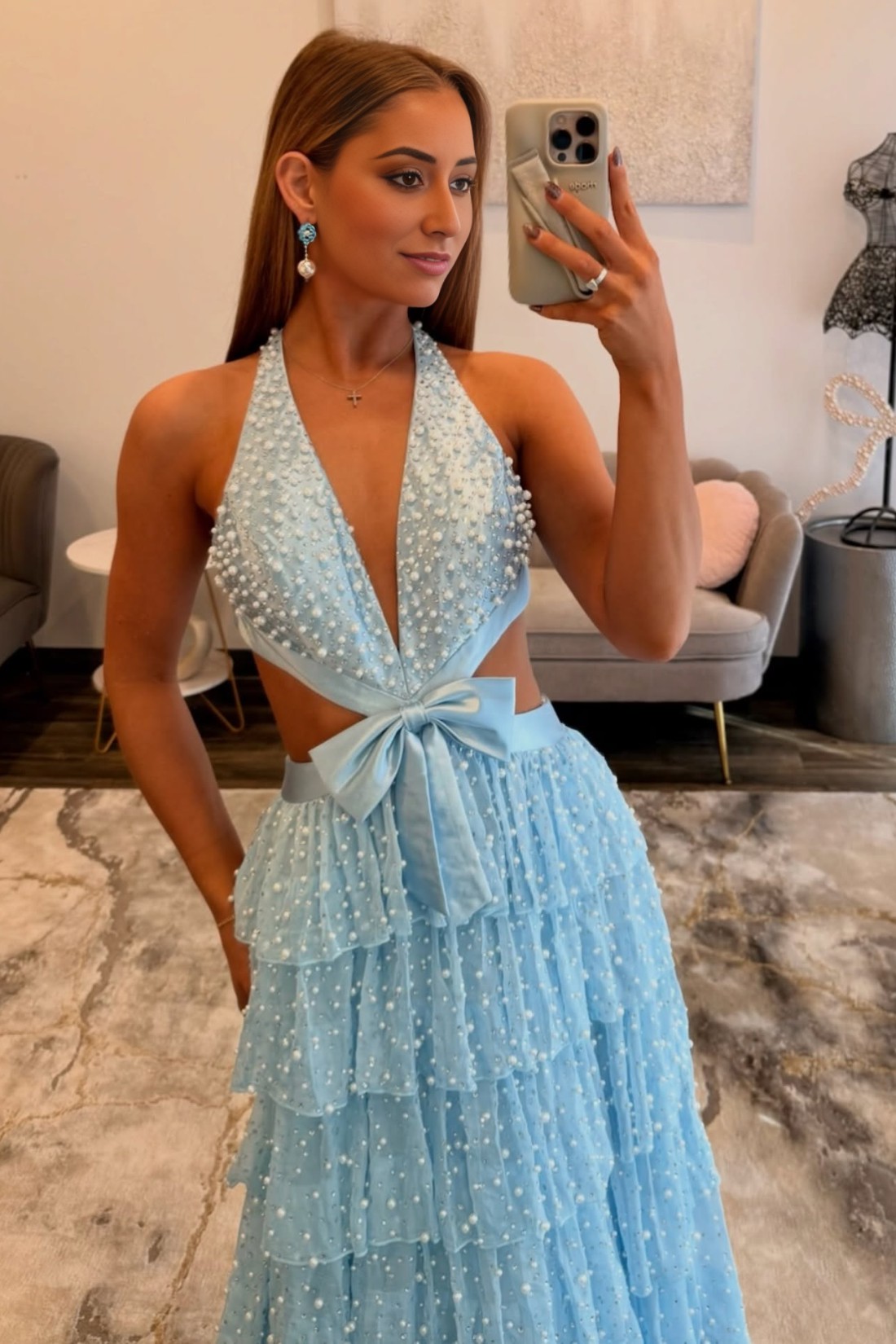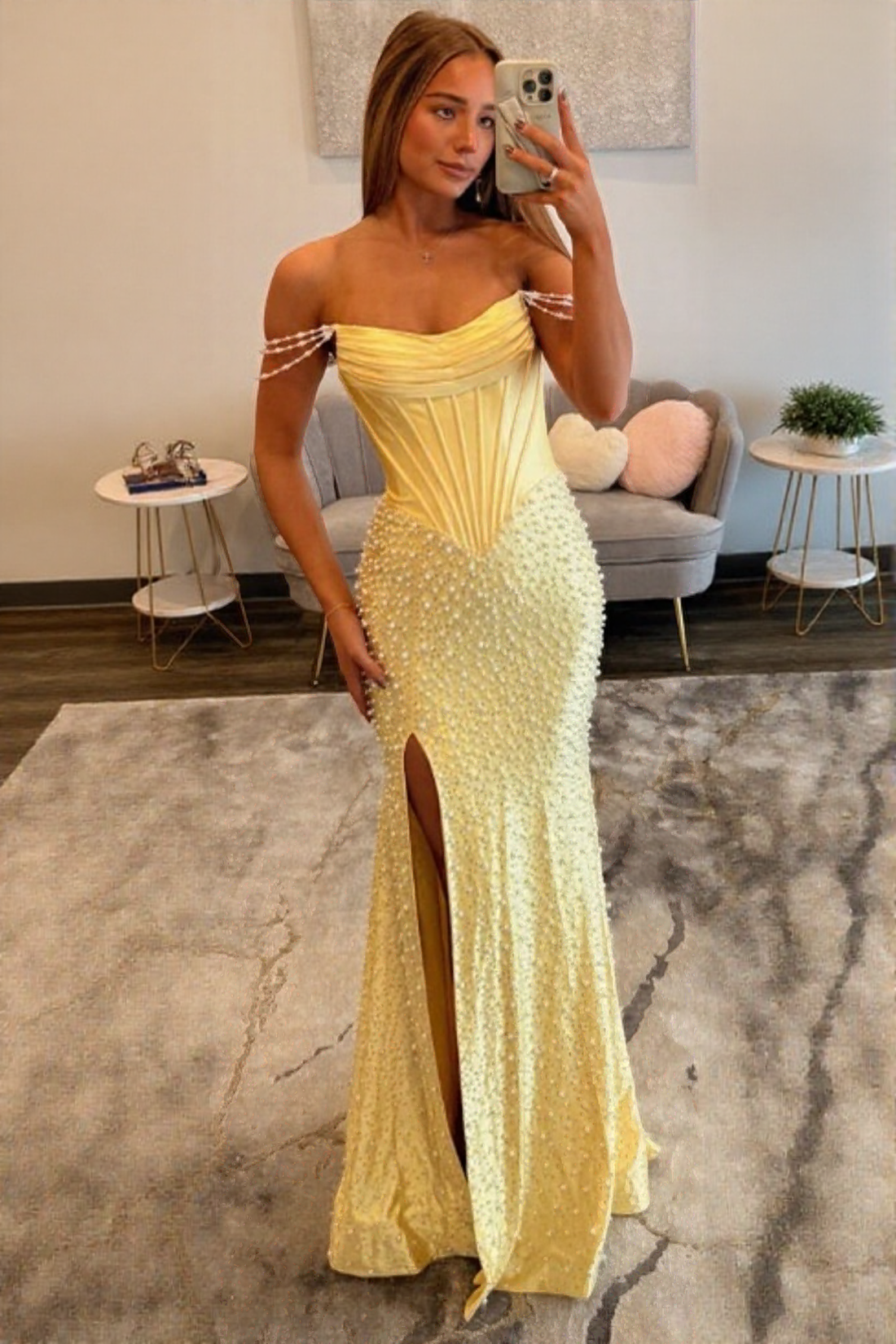
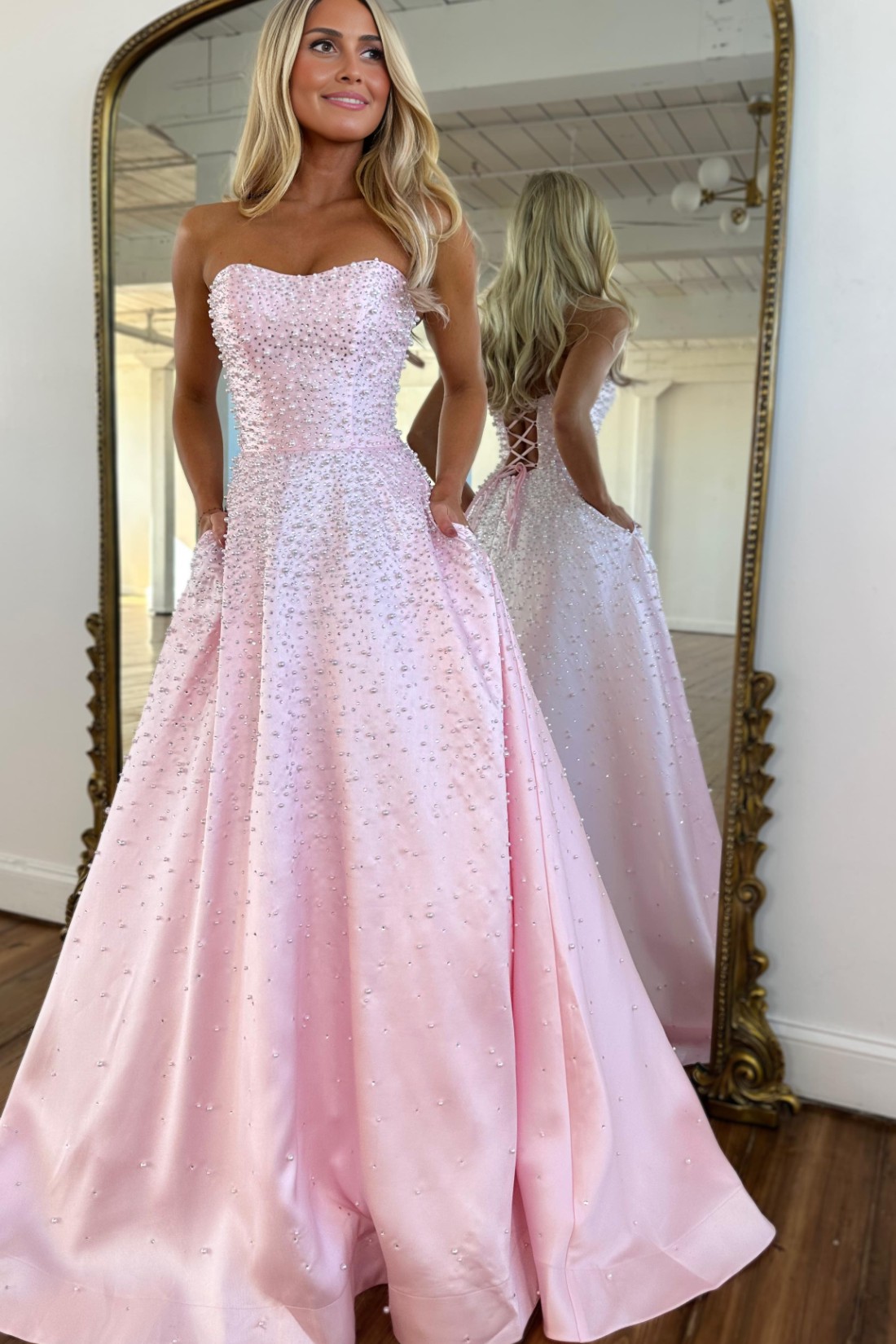
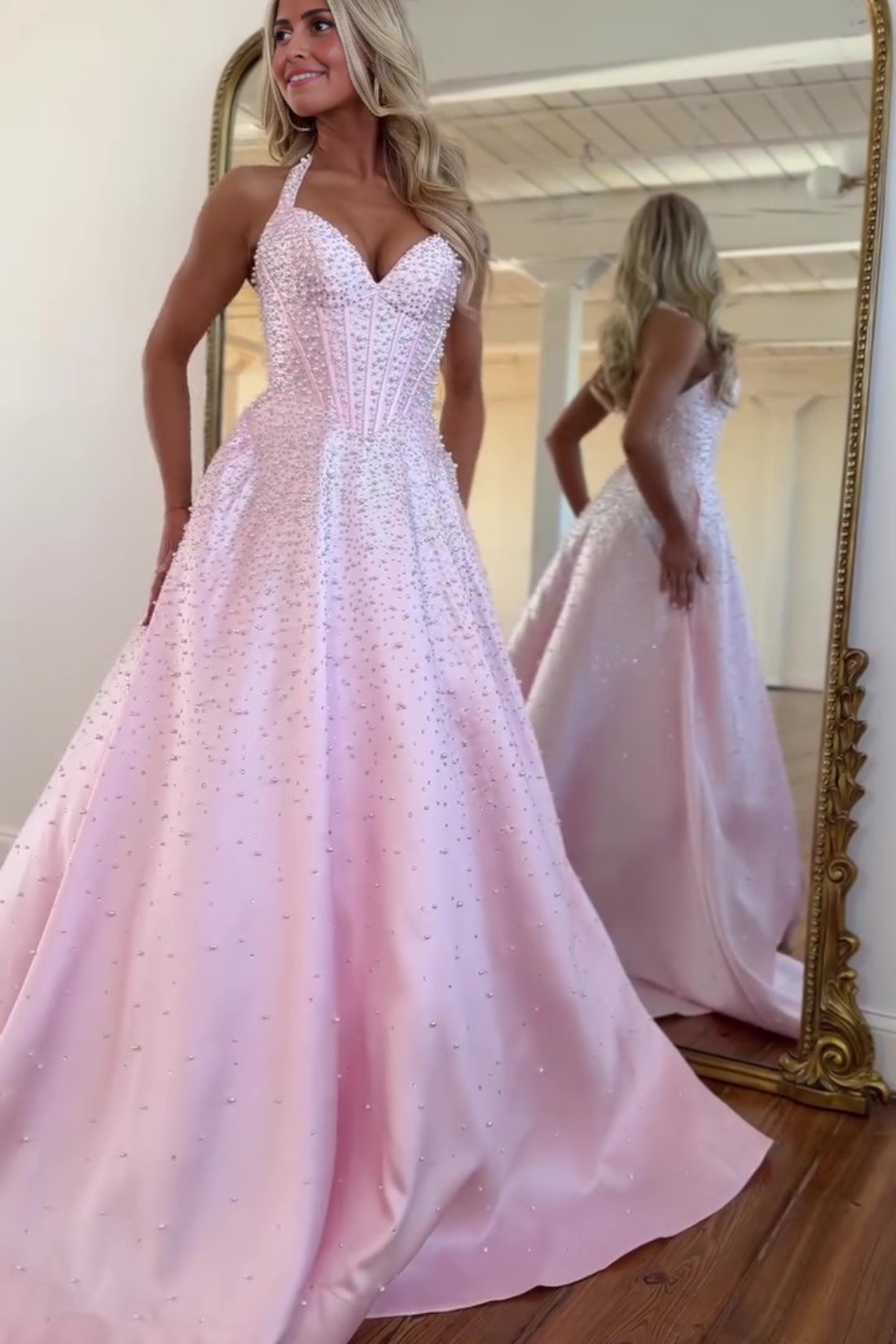
Key Takeaways
| White is not the problem | Four specific details read bridal. The colour on its own does not. |
| The four culprits | A train, tulle or organza volume, all-over lace, and a covered neckline. |
| Safest white | Fitted satin, no train, one bare shoulder or a deep neckline, floor length. |
| Ivory versus white | Ivory reads more bridal than bright white, because bridal fabric is rarely pure white. |
| One hard rule | Never wear any of this to a wedding you are attending as a guest. |
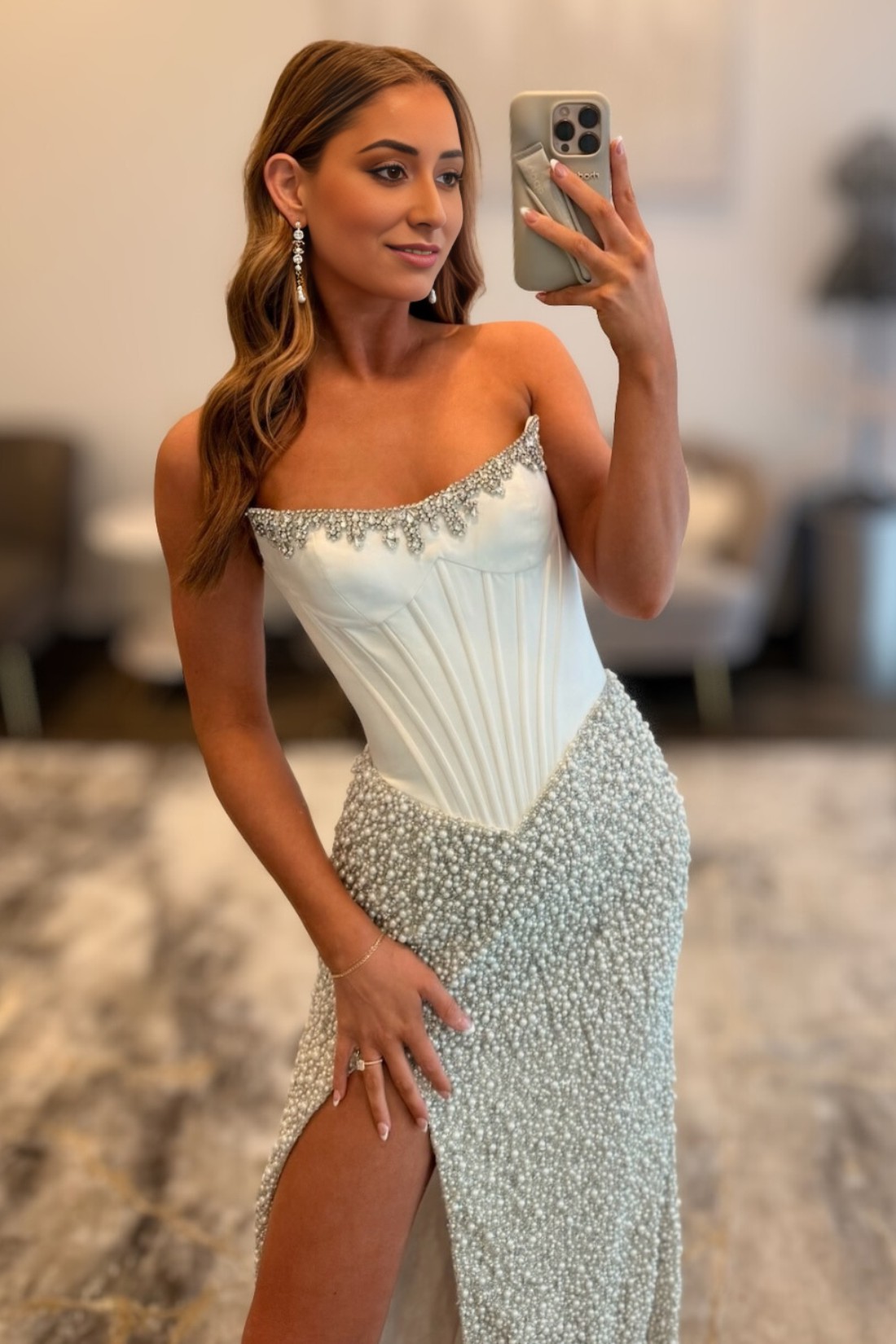
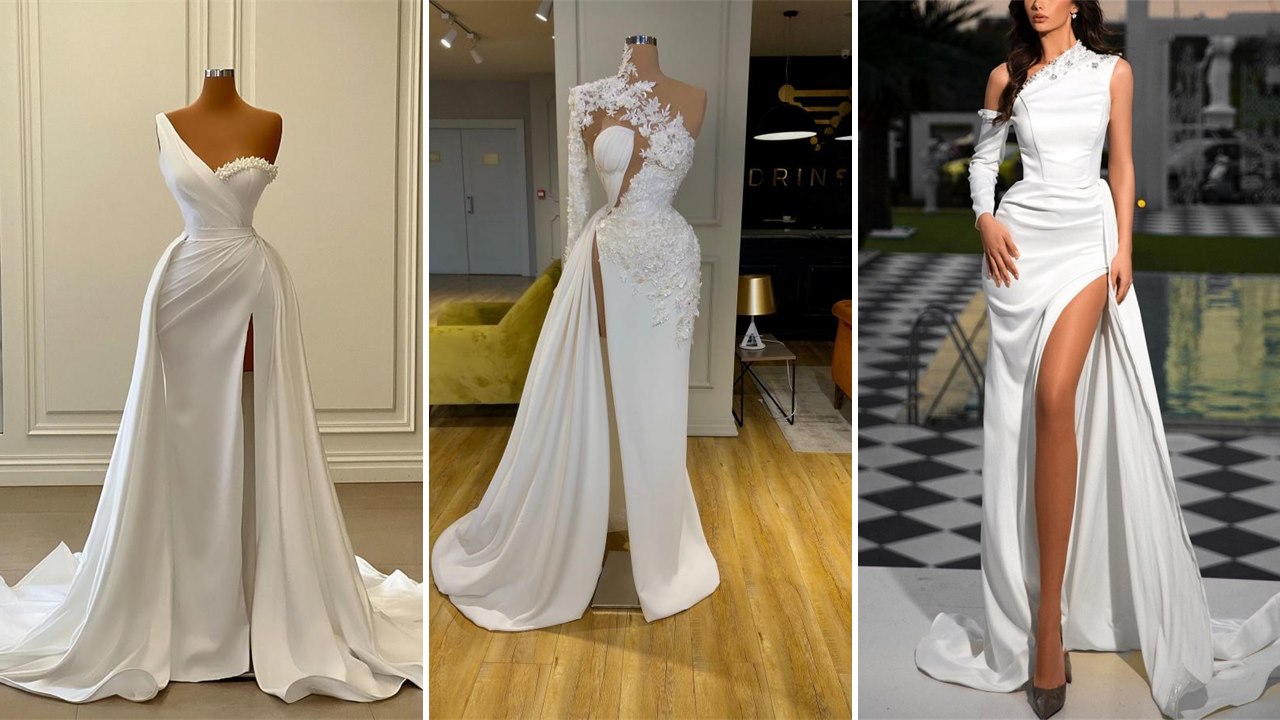
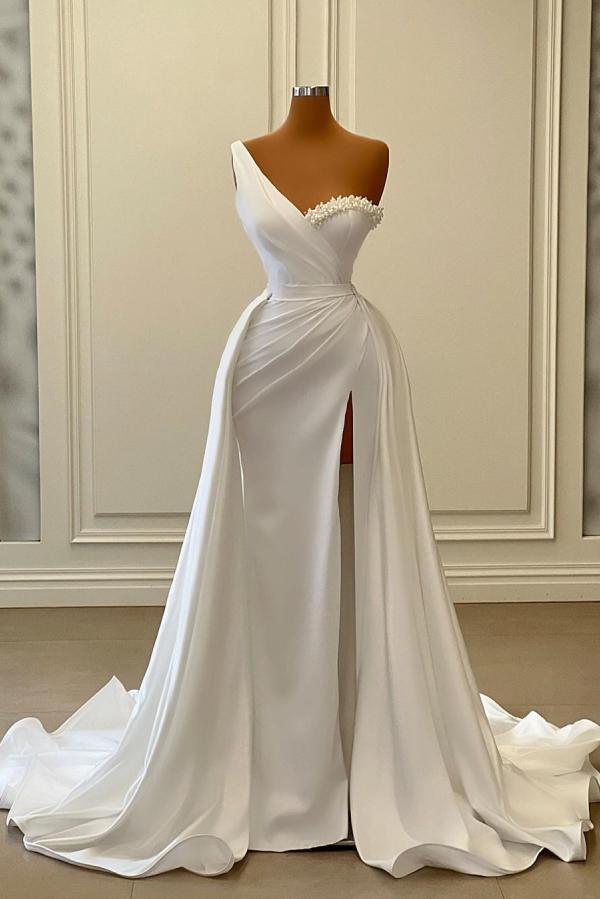
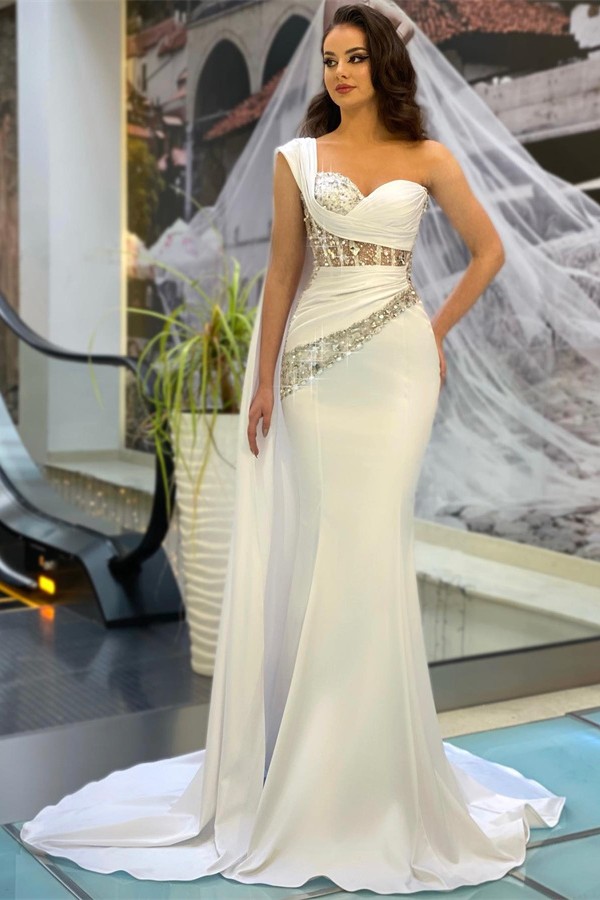
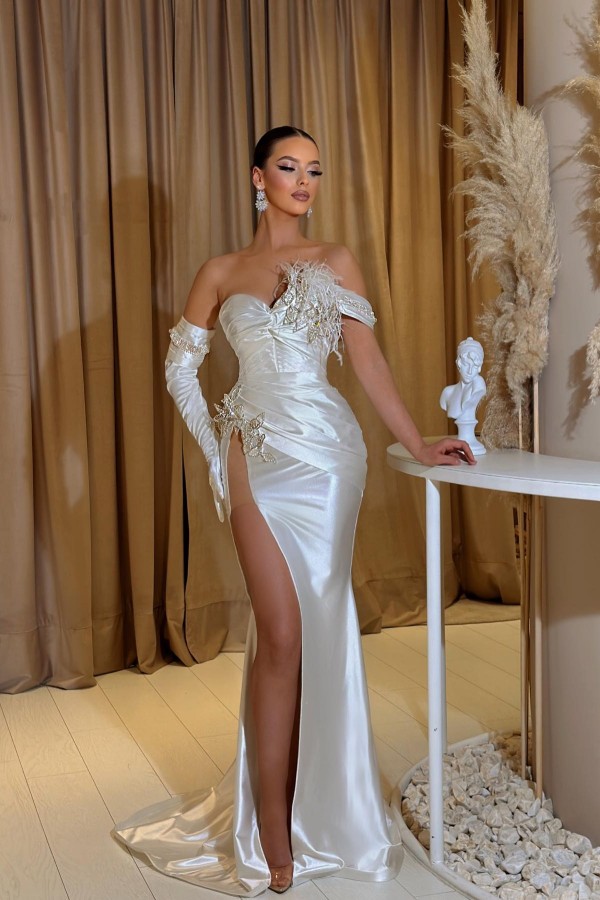
White is not what makes a dress look bridal. A fitted white satin column with a high slit and one bare shoulder reads as a red carpet dress, not a wedding dress, and nobody is confused by it.
What reads bridal is a specific combination: a train, a volume of tulle, all-over lace, and coverage at the neck and arms. Remove those and white becomes just another colour.
Why White Reads Bridal in the First Place
The association is cultural rather than visual, which is exactly why it can be broken with a few deliberate choices.
It is a fairly recent tradition
As Wikipedia's entry on the white wedding explains, the white dress is usually credited to Queen Victoria's choice in 1840, and the middle classes only adopted it widely after the Second World War. It is a convention, not a rule.
The eye reads silhouette before colour
People identify a wedding dress by its shape from across a room, long before they register the exact shade. That is useful, because silhouette is the one thing you fully control.
Ivory is more bridal than white
This surprises people. Bridal fabric is rarely pure optical white, so ivory, champagne and diamond white sit closer to what the eye files as bridal. A bright, clean white actually reads more modern and less like a gown.
The same white changes with the fabric
Our Satin, Chiffon and Elastic Satin charts all carry White and Ivory under the same names, and the three behave completely differently. Satin white is bright and reflective, chiffon white is soft and slightly translucent, elastic satin sits between them.
Satin white is the least bridal of the three, because the sheen reads as evening wear. Layered chiffon or organza in the same shade is the most bridal, because that softness is exactly what a veil and a bridal skirt are made of.
The Four Details That Push a White Dress Toward Bridal
If a white dress is reading wrong, it is almost always one of these four. Fix the detail and the dress changes category.
The four to watch:
- A train — sweep, chapel or cathedral, any of them says bride
- Volume — layered tulle or organza through the skirt
- All-over lace — especially ivory lace over a nude lining
- Coverage — a high neckline plus long sleeves plus a closed back
The train is the loudest signal
Nothing else comes close. A floor-length white gown with no train reads formal; add a sweep train and it reads bridal from twenty feet away. If you love a white dress with a train, this is the detail to reconsider first.
Volume does the second most work
Layered tulle and organza create the shape people associate with a wedding gown. A satin column or a fitted mermaid in the same white does not, because the fabric follows the body instead of standing away from it.
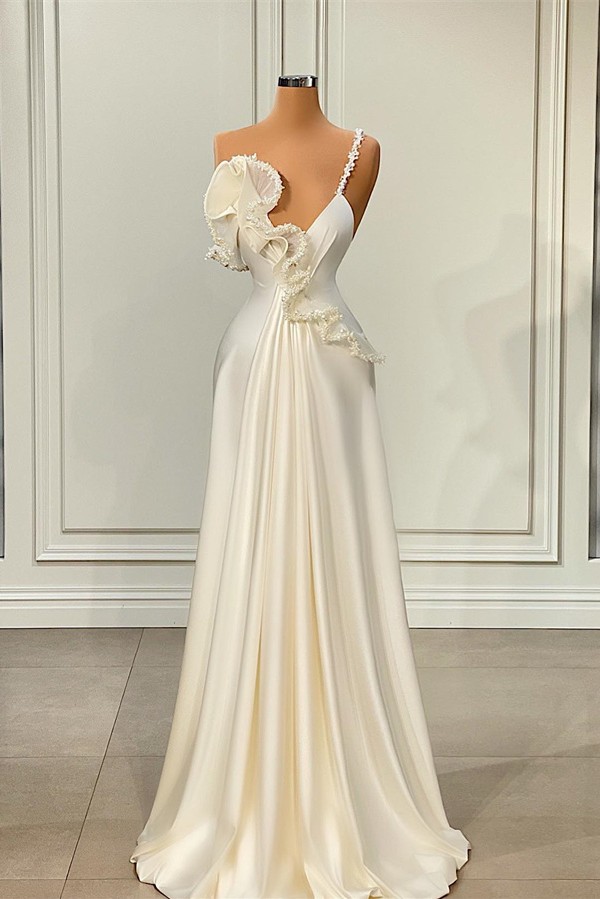
All-over lace, especially in ivory
Lace as a trim or a single panel is fine. Lace covering the whole bodice and skirt, in ivory, over a nude lining, is the most recognisable bridal construction there is.
Coverage stacks up
Any one of a high neck, long sleeves or a closed back is fine on its own. All three together, in white, reads as a modest bridal gown. Break the set: keep the sleeves but open the back, or keep the high neck and lose the sleeves.
Where a White Formal Dress Belongs, and Where It Does Not
Context does half the work. The same dress can be perfectly judged at one event and a mistake at another.
Prom and school formals
White is a strong choice here and increasingly common. Nobody at a prom mistakes a white dress for a wedding gown, because there is no bride in the room to be confused with.
Galas, red carpets and evening events
White at a formal evening event reads expensive and deliberate. This is the setting where a fitted white satin column is at its best, and where the colour works hardest for you.
Never as a wedding guest
This one has no exceptions and no clever workaround. If you are attending someone else's wedding as a guest, do not wear white, ivory, cream or champagne, no matter how modern the silhouette is.
The rule is about the bride's day rather than about your dress, so a very obviously non-bridal white will still put you in the wrong. Save the white dress for an event where nobody is getting married.
Under a camera flash
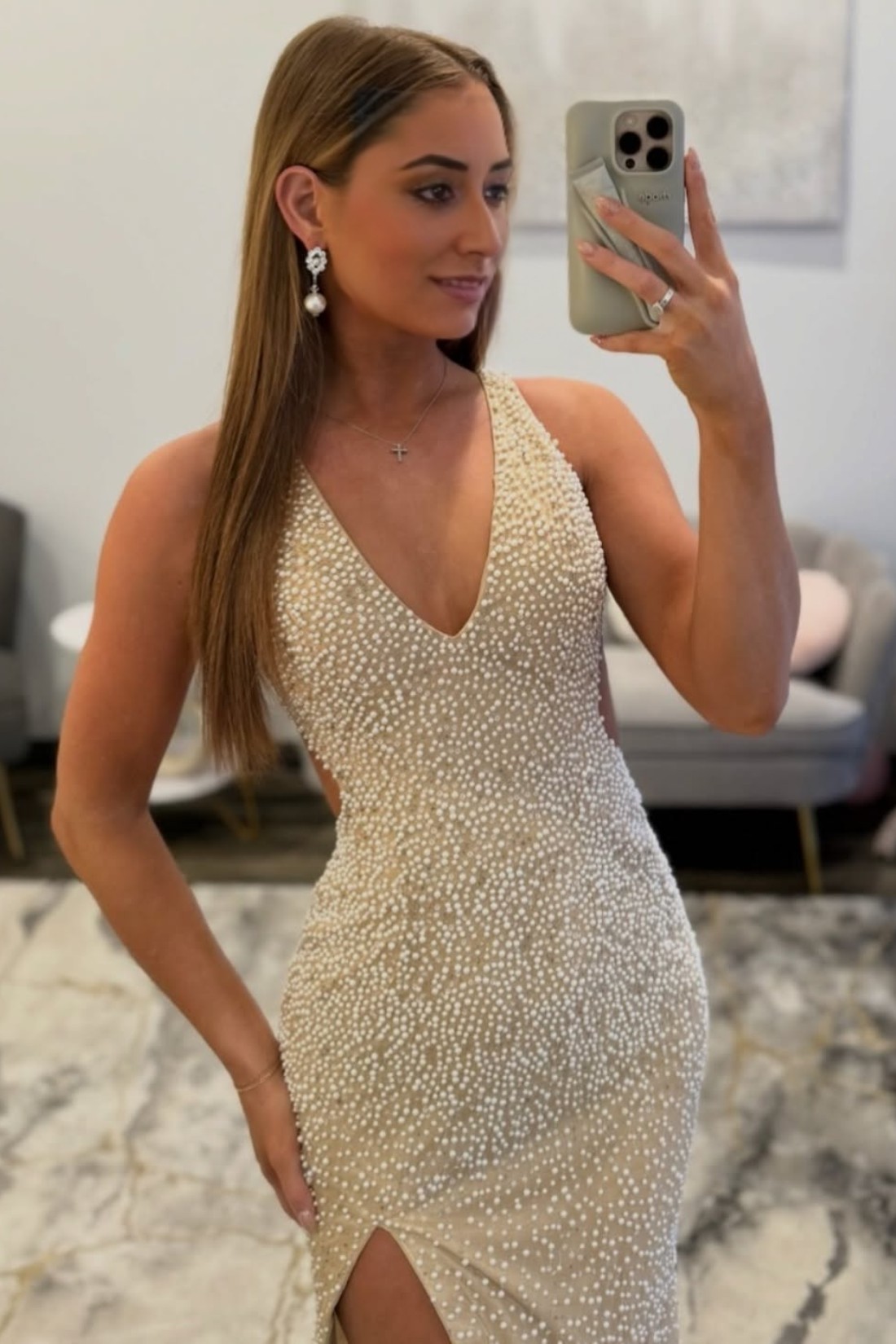
White is the one colour that can genuinely blow out in a flash photograph, losing all the detail in the fabric and turning into a flat shape. Beading, ruffles or a lace panel give the camera something to hold onto.
If most of your photographs will be taken indoors with a flash, choose a white with texture rather than a plain satin plane. Outdoors in evening light the opposite is true, and plain satin looks its best.
Why Custom Sizing Matters More in White
White is the least forgiving colour there is, for the same reason satin is the least forgiving fabric. Nothing hides.
Every drag line shows
A dark dress absorbs the shadows that a poor fit creates. White reflects them straight back, so a bodice that pulls or a hip that strains is visible in every photograph.
What you wear underneath shows too
White and ivory are more translucent than the same fabric in a dark colour, especially under a camera flash. Seamless nude underwear matters far more here than it does in black.
Measure your bust, not your bra
Your bra size is not your bust measurement. Wear an unpadded bra, relax your arms at your sides, and pull the tape across the fullest part of the bust. Our dresses have a built-in bra, so a padded one gives a reading that is too large.
Order timing and the white you cannot return
Prom dresses take 7 to 15 business days to make, plus processing and 9 to 15 business days of standard shipping in the United States, so plan on 4 to 7 weeks. Because every dress is made to order, we cannot accept a return when the measurements submitted were wrong.
Shop the Look
Six white gowns with none of the four bridal cues, so the colour does the work without the association.
Gorgeous White Long Mermaid One Shoulder Asymmetric Satin Lace Prom Dress with Sleeves — sleeves paired with a bare shoulder, so the coverage never stacks up.
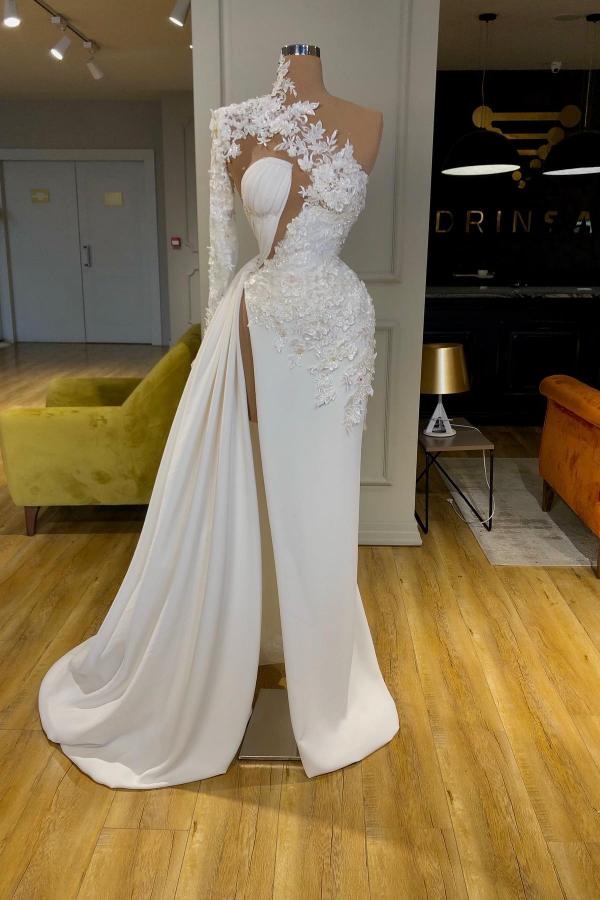
White Long Mermaid Asymmetric One Shoulder Satin Prom Dress — stretch satin, no train, no volume. The clearest non-bridal white on this list.
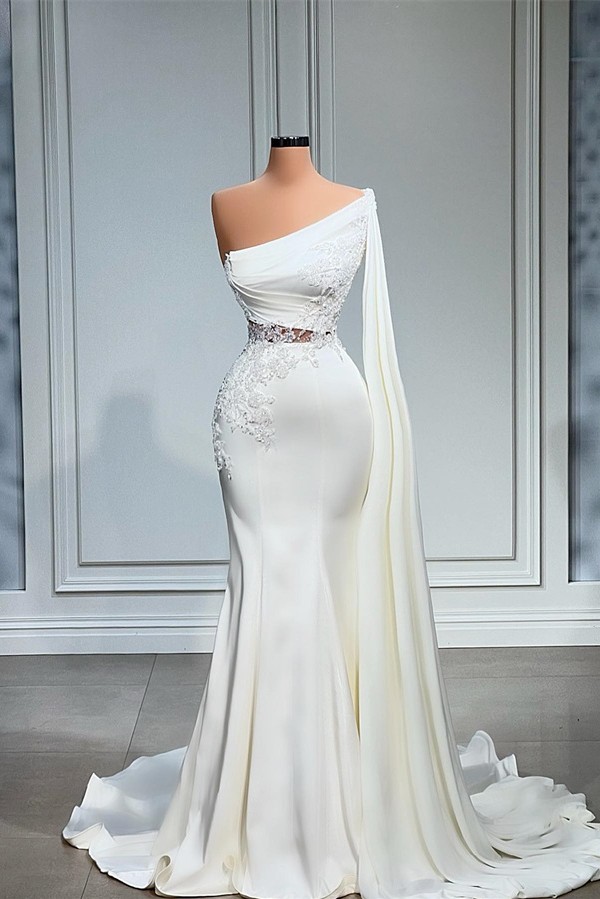
Charming White Long Mermaid One Shoulder Asymmetrical Floor Length Prom Dress with Ruffles — ruffles read fashion rather than bridal when the skirt stays close to the body.
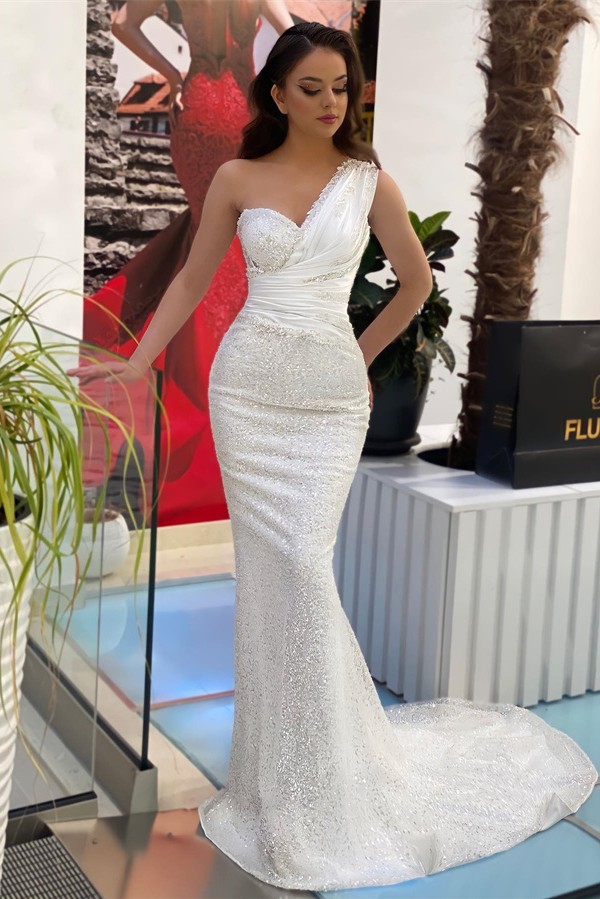
Chic White Long One Shoulder Mermaid Satin Prom Dress — the one-shoulder line is the fastest way to break the bridal read.
Elegant Long Mermaid Sweetheart Satin Formal Prom Dresses with Slit — a slit does more than show leg here, it signals evening rather than ceremony.
Long Sleeves Mermaid One Shoulder Satin Formal Prom Dresses with Slit — sleeves and a slit together, coverage balanced against exposure.
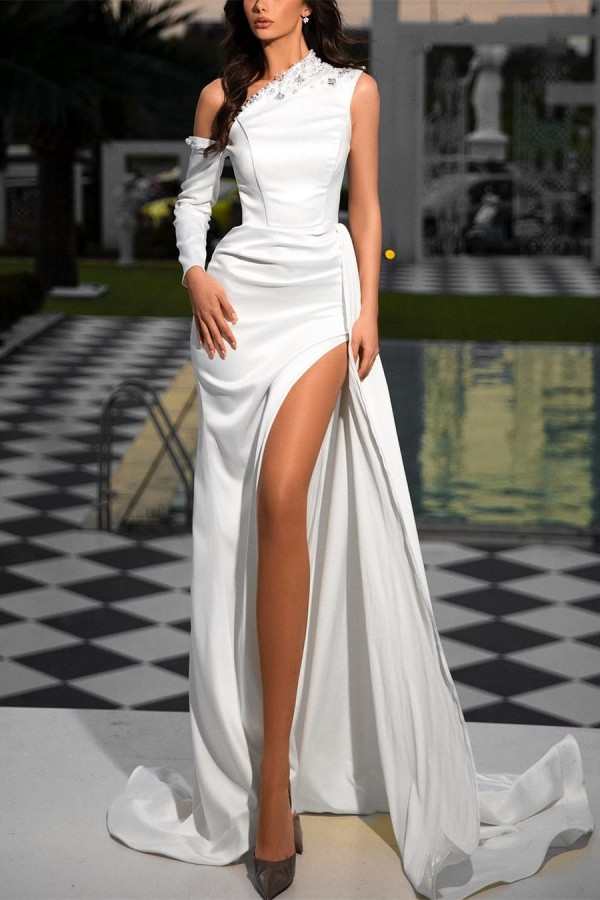
Browse all prom dresses, or widen to evening dresses if the event is black tie rather than school formal.
Frequently Asked Questions
Can you wear a white dress to prom?
Yes, and it is increasingly common. There is no bride in the room to be confused with, so the only thing that matters is whether the silhouette reads formal rather than bridal.
What makes a white dress look like a wedding dress?
Four details do almost all of it: a train, layered tulle or organza volume, all-over lace, and full coverage at the neck, arms and back. Remove any two and the association usually breaks.
Is ivory more bridal than white?
Yes. Bridal fabric is rarely pure optical white, so ivory and champagne sit closer to what the eye files as bridal. A bright, clean white reads more modern.
Can I wear white to a wedding if I am a guest?
No, and there is no exception for a modern silhouette. Avoid white, ivory, cream and champagne entirely when you are attending someone else's wedding.
Does white show a poor fit more than other colours?
Considerably more, because white reflects the shadows that a dark colour absorbs. Every drag line and ripple shows in photographs, which is why the measurements matter more here.
Which white fabric is the safest choice?
Fitted satin, with no train and no layered volume. Our guides to prom fabrics and prom dress sizing cover how satin behaves and what it demands of the fit.
About the Author
Emma Whitfield writes about prom, homecoming and bridal dressing for Yesbabyonline, with a focus on fit and fabric. She spends most of her time on the questions that photographs cannot answer: how a fabric moves, where a seam sits, and whether you can still dance in it at midnight. She believes the right dress is the one you forget you are wearing.