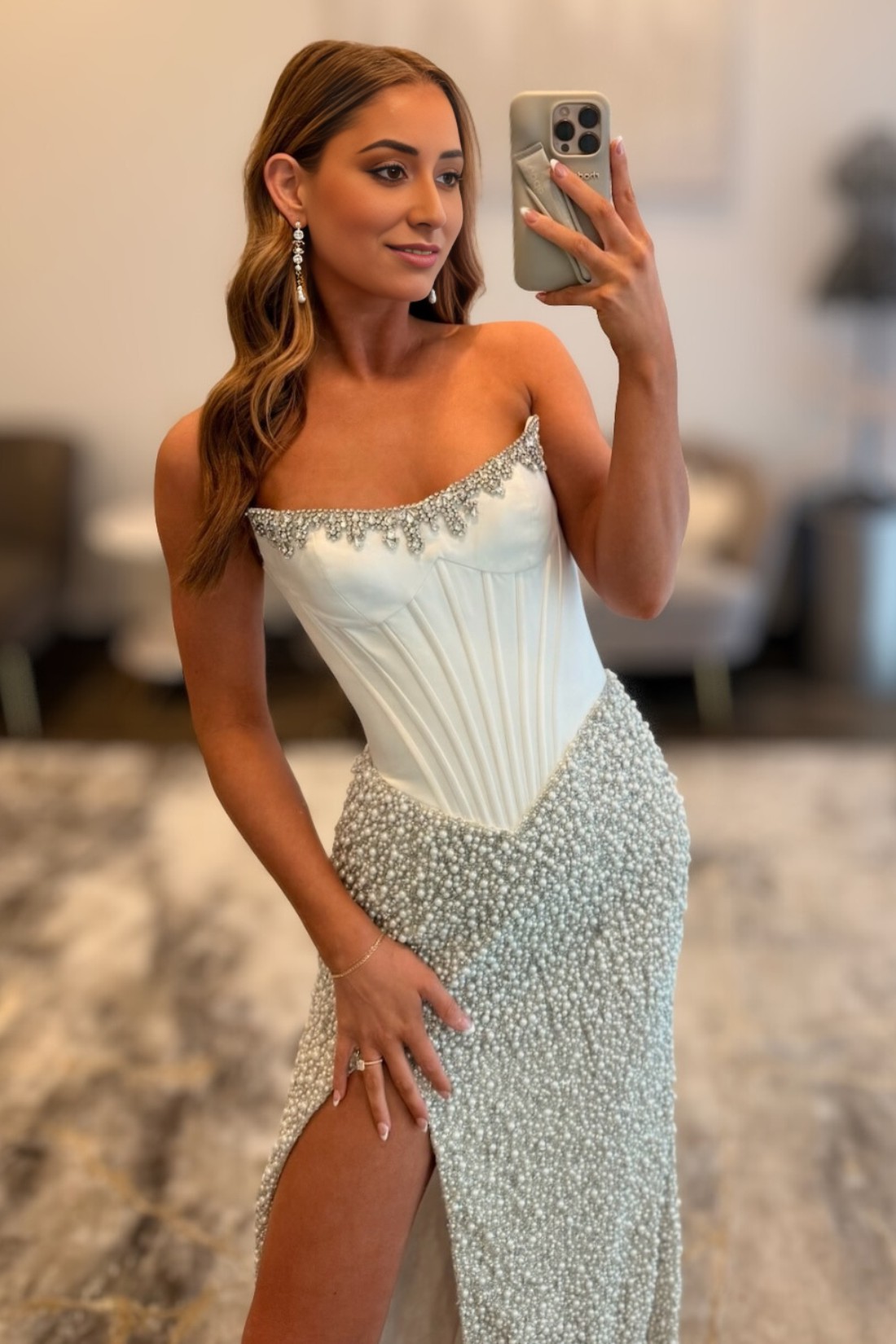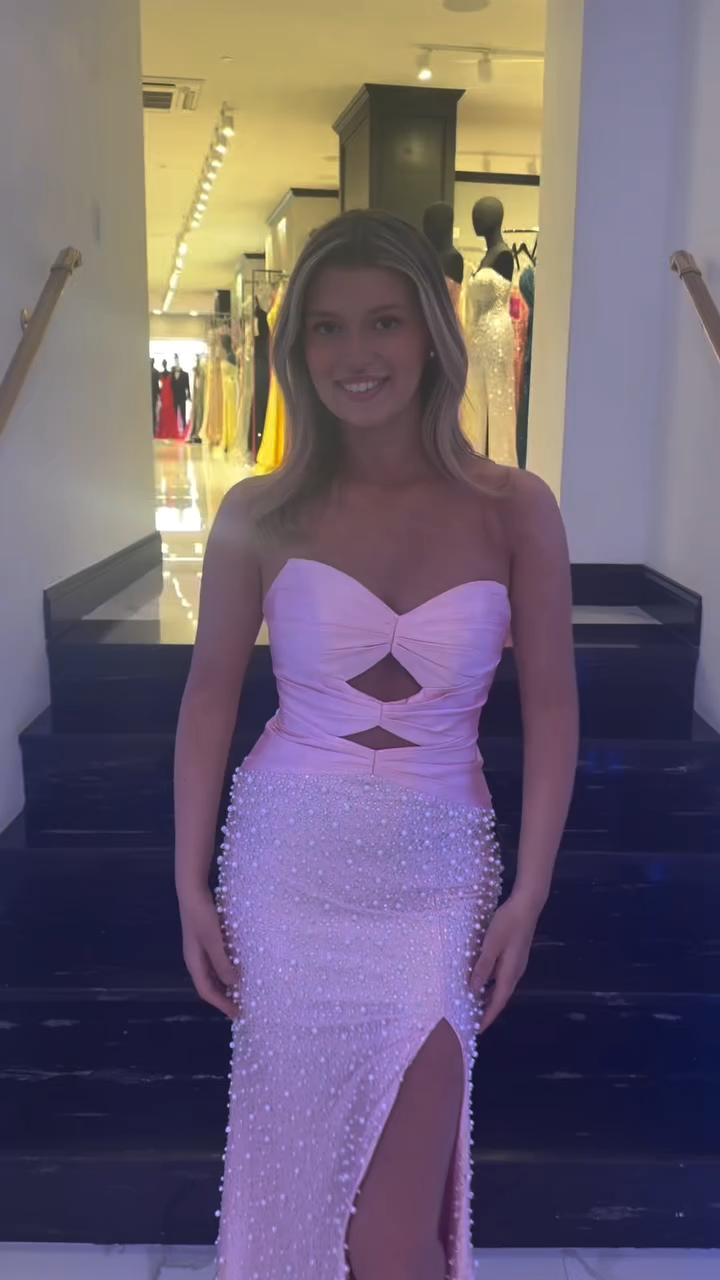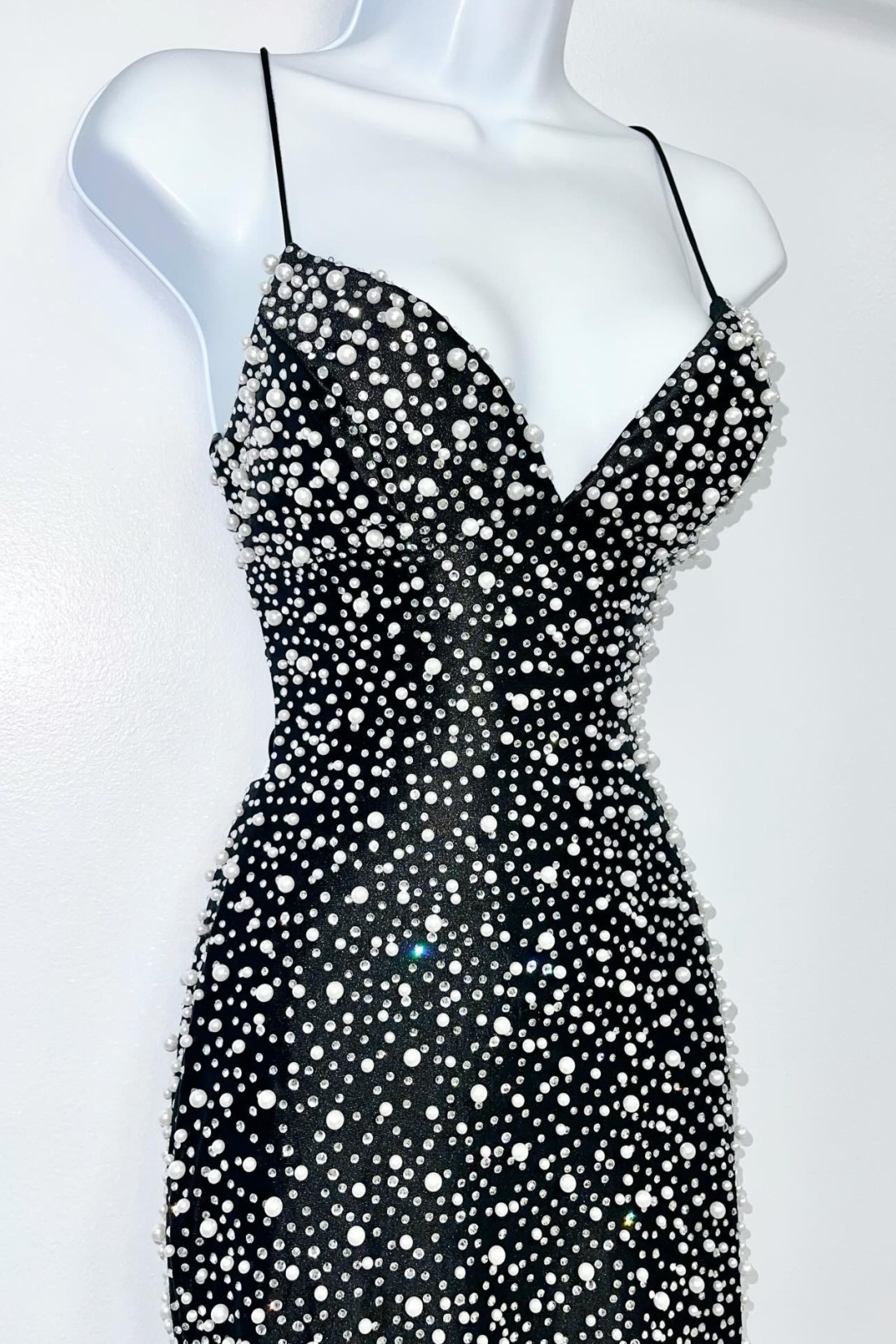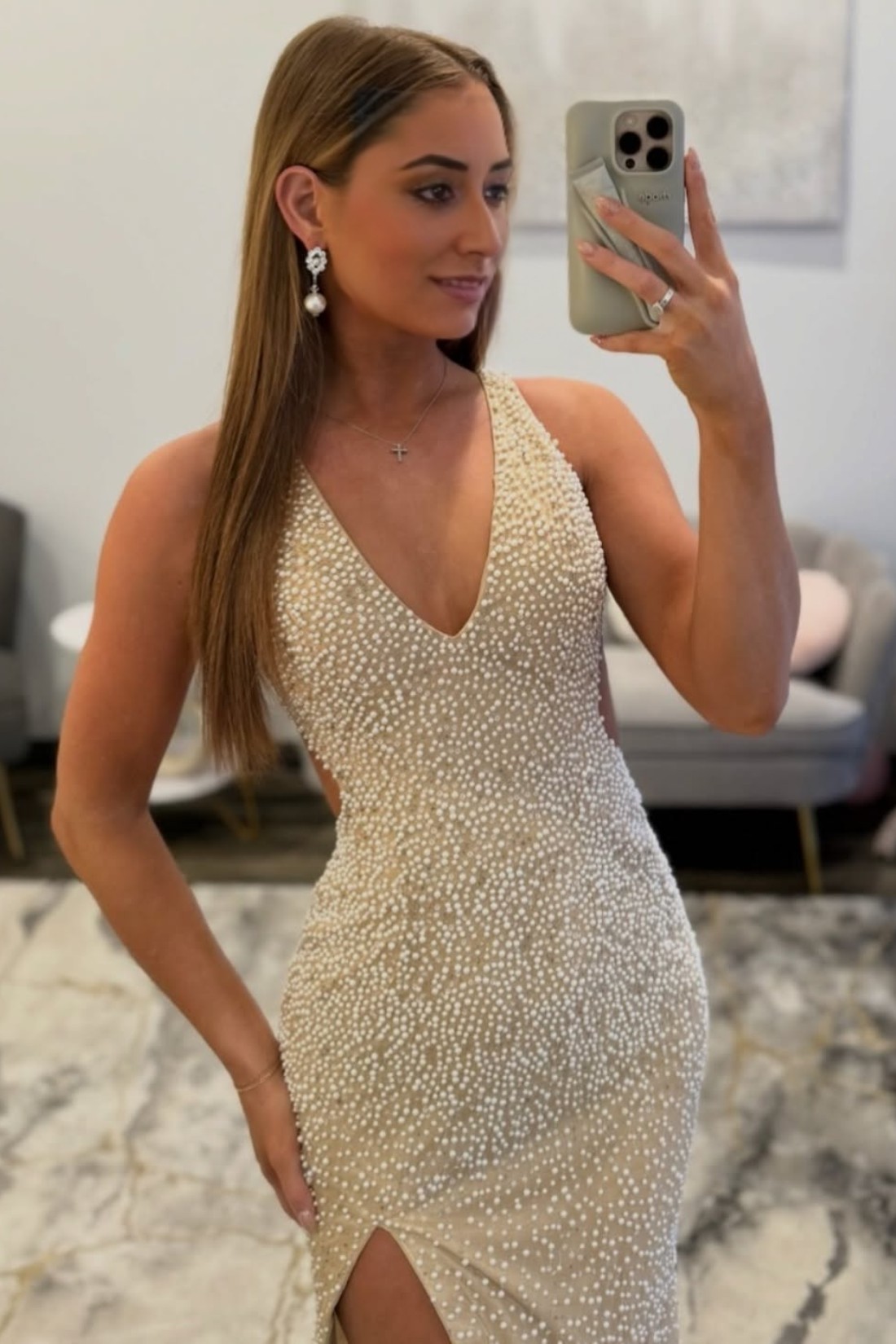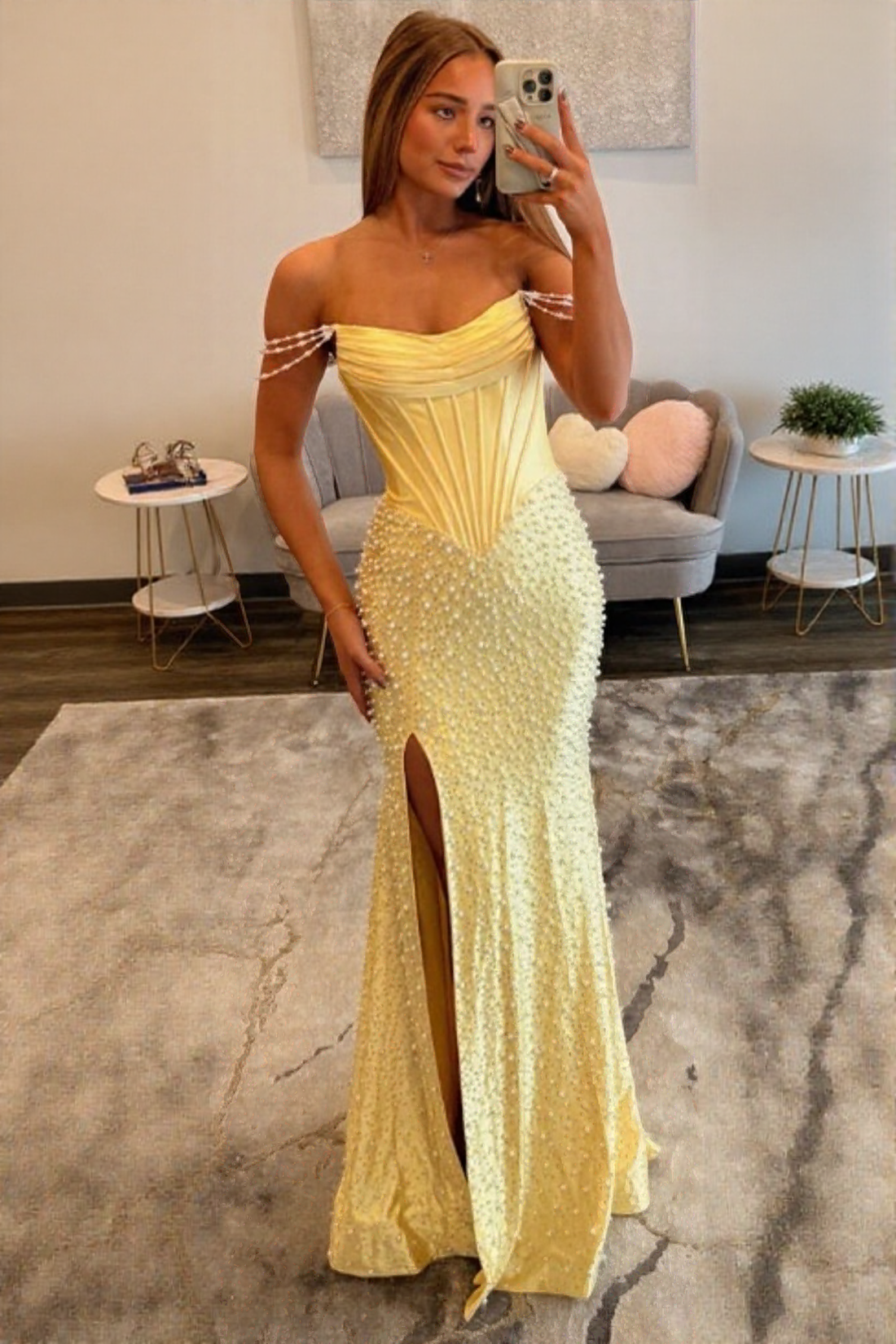
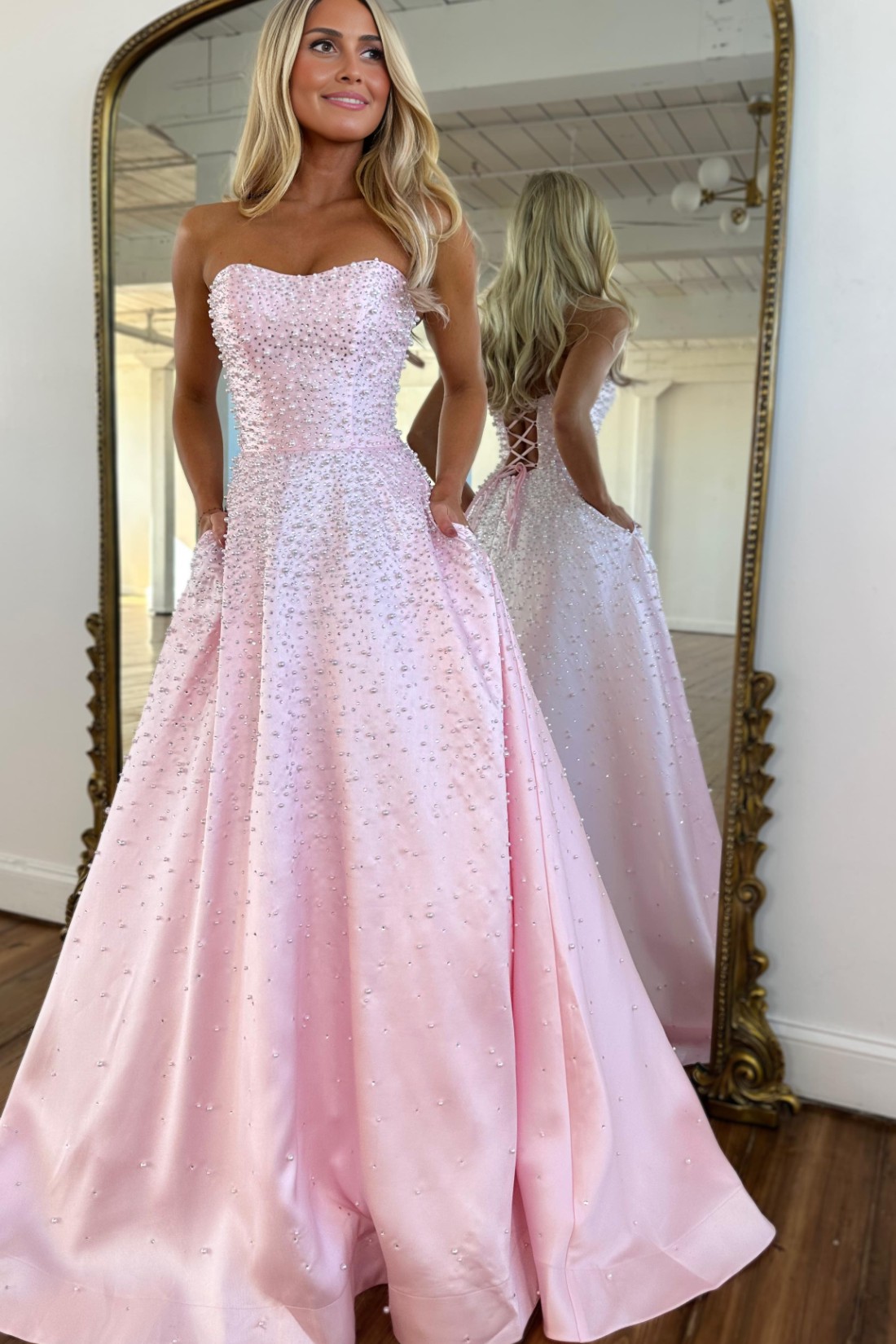
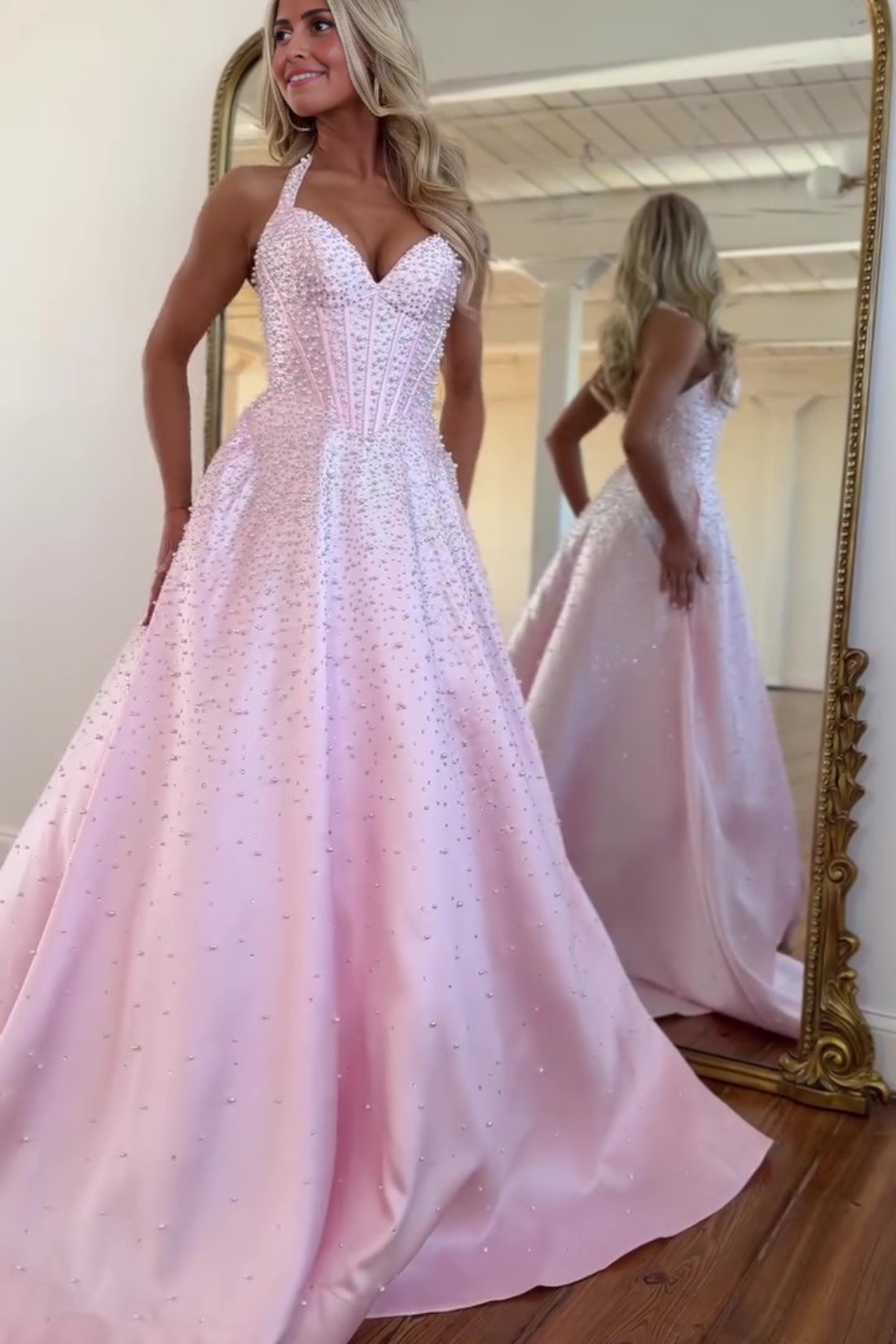
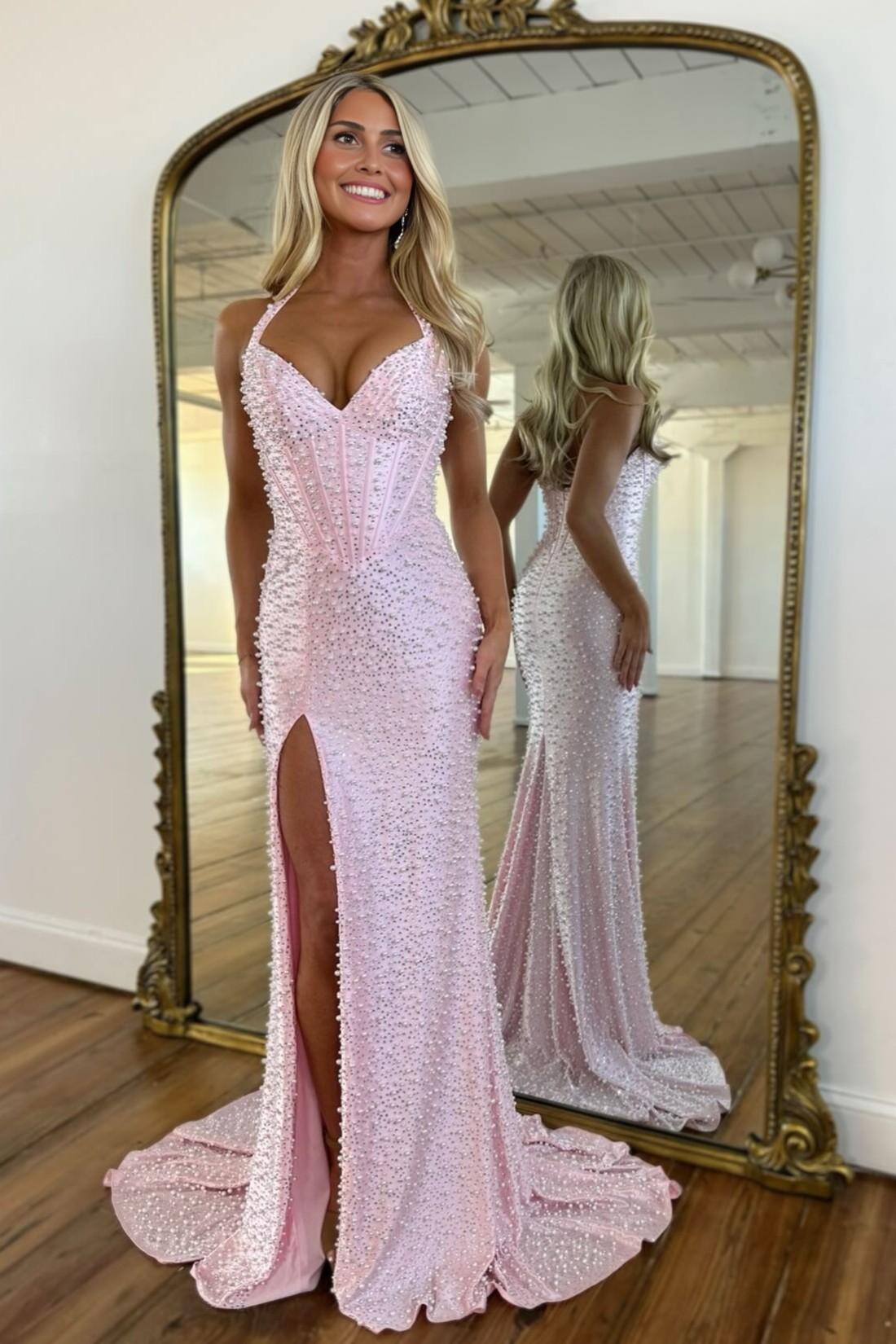
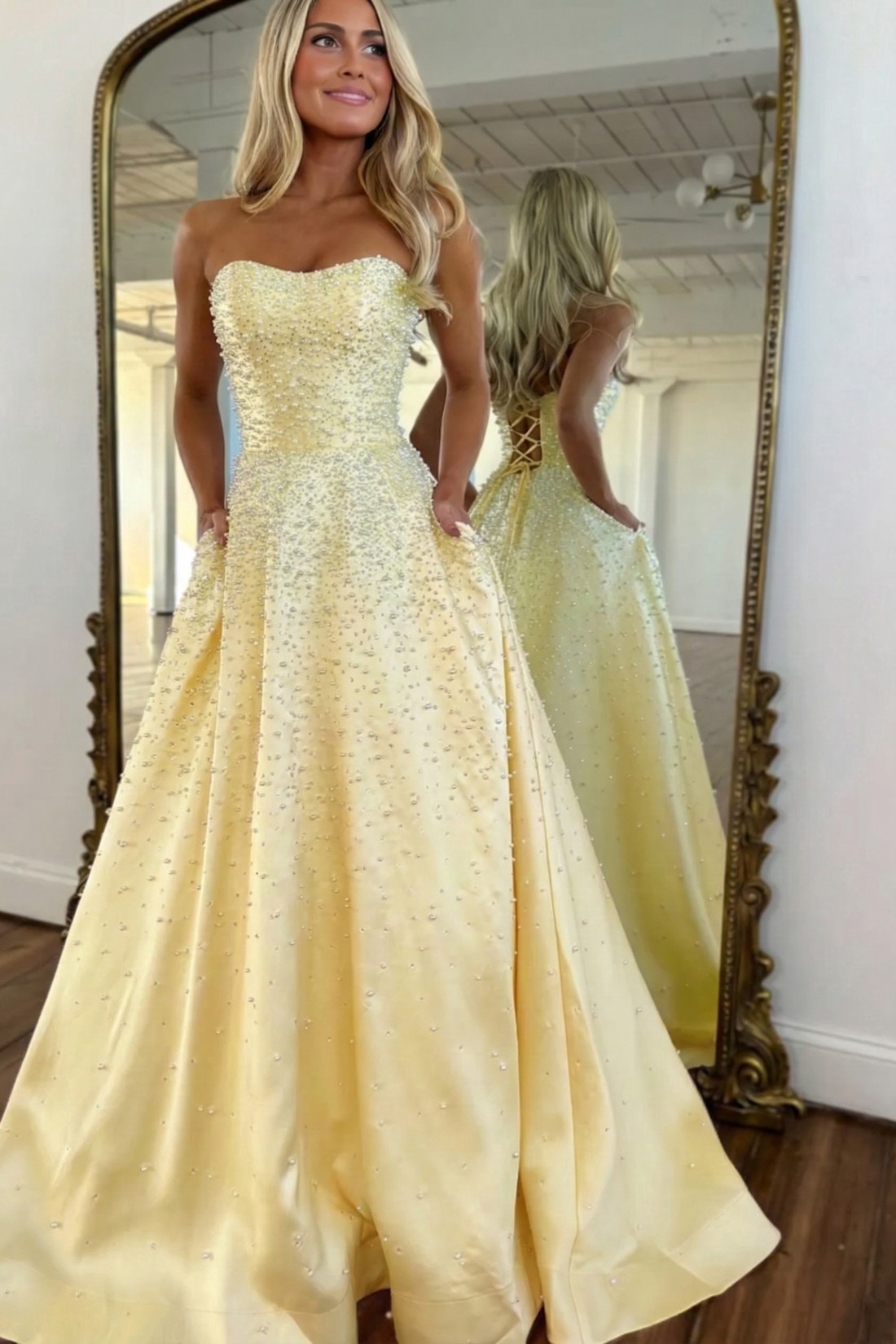
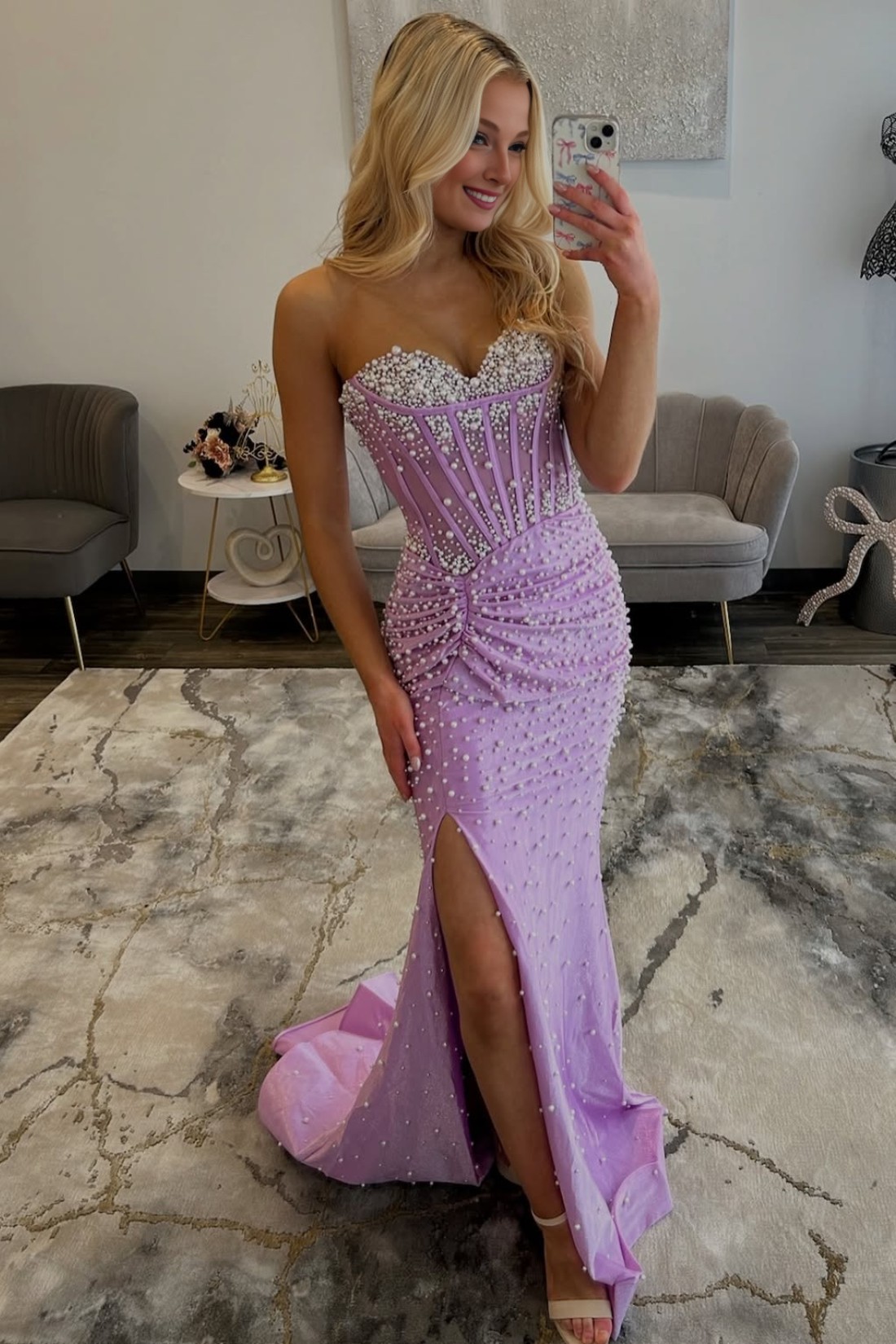
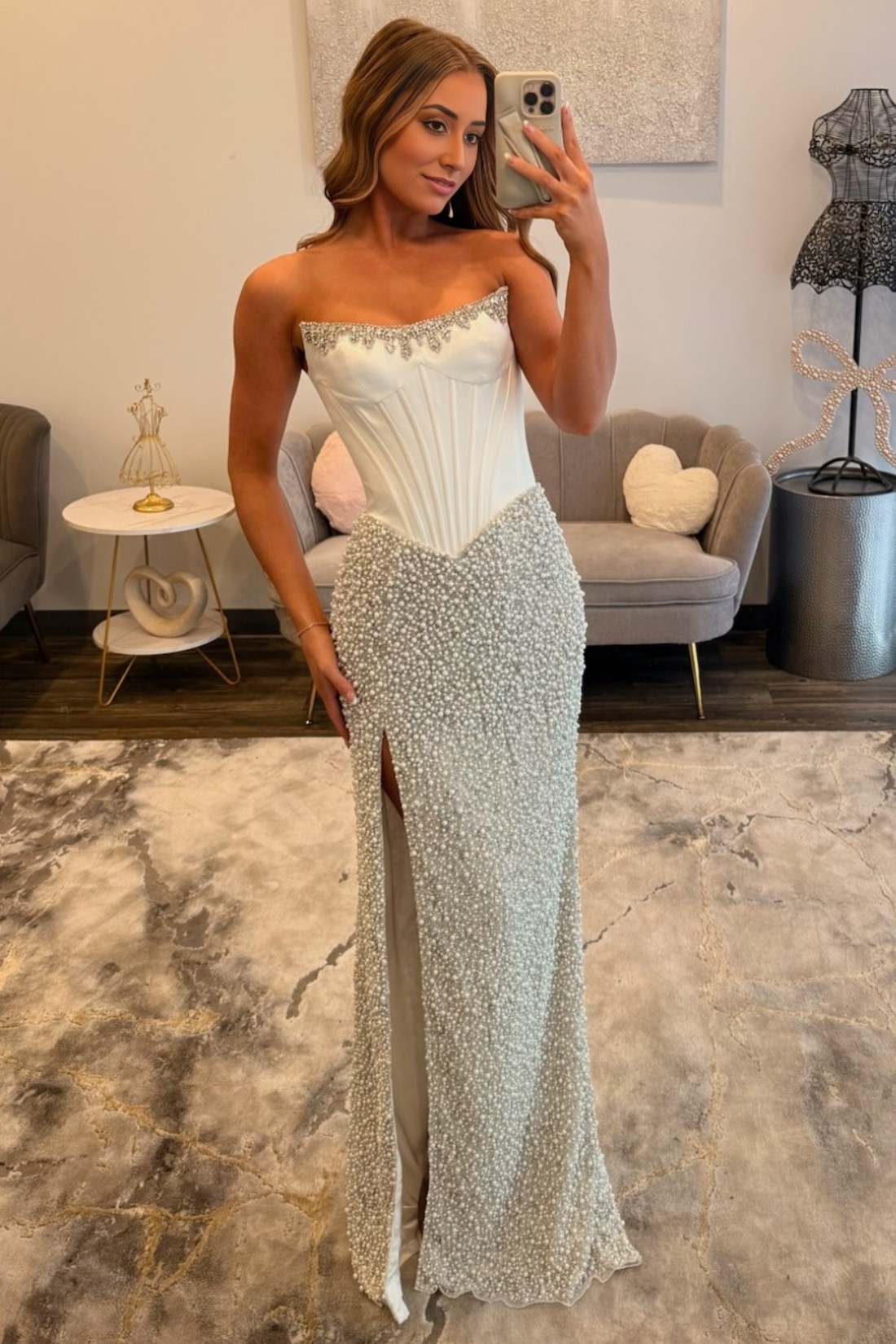
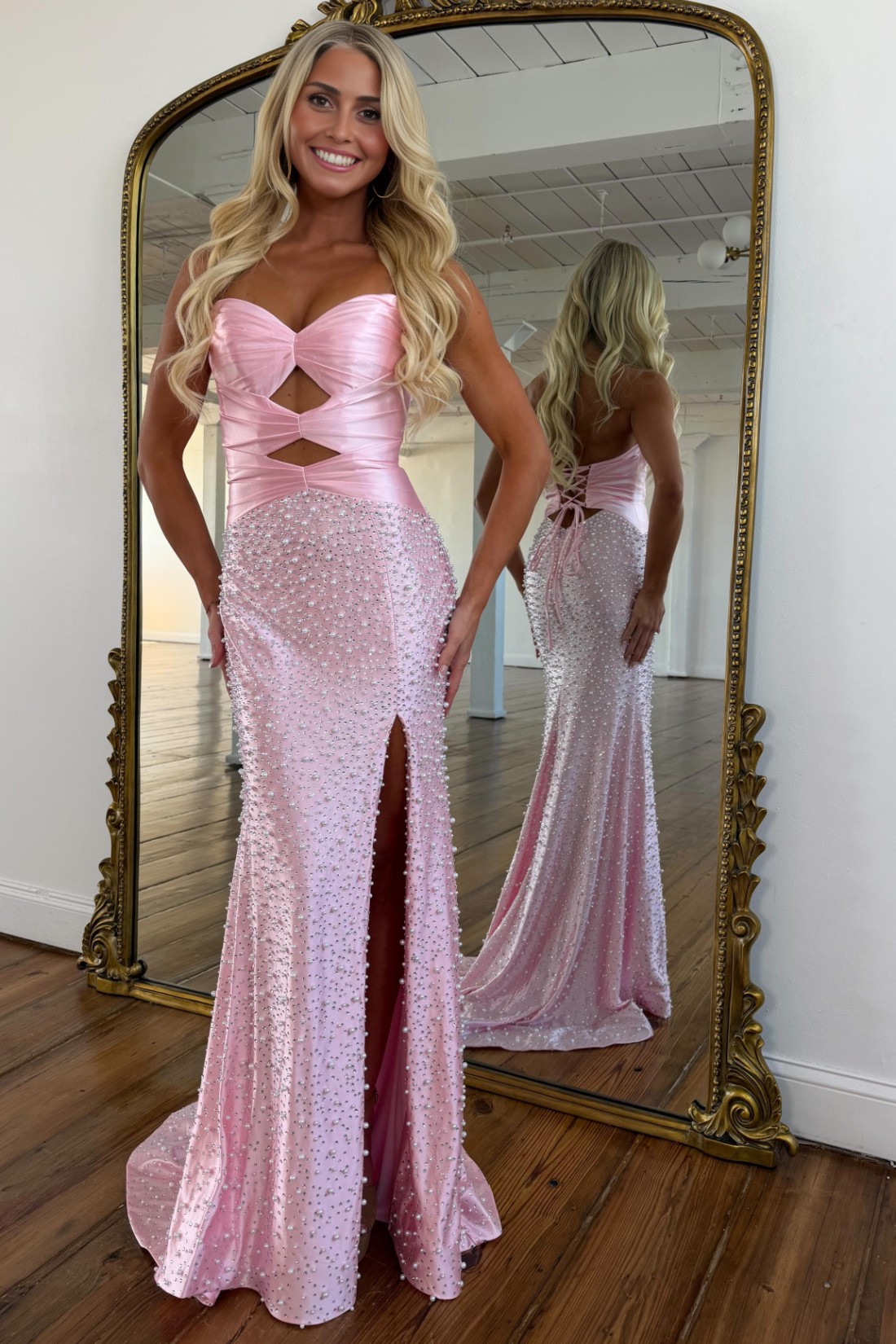
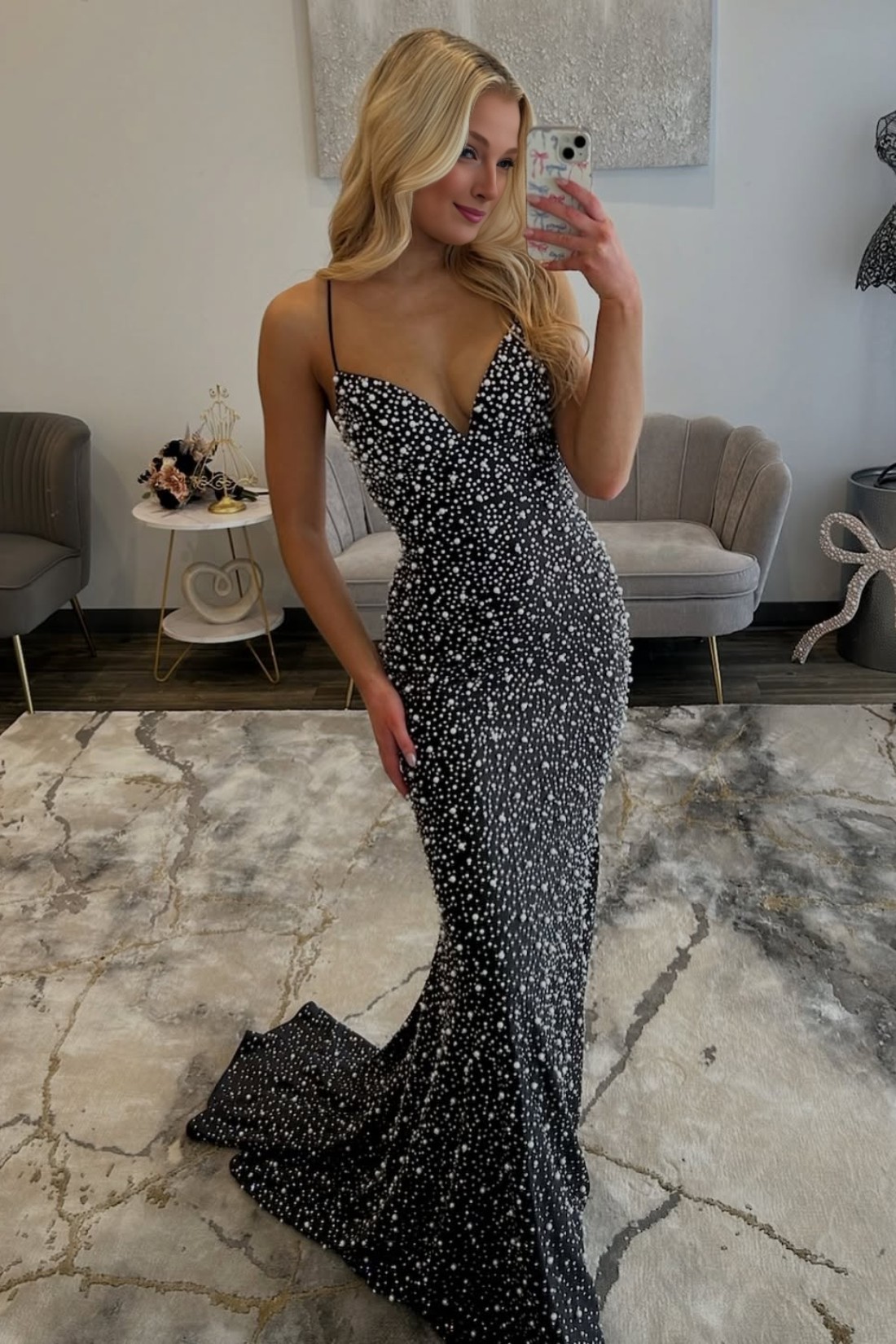
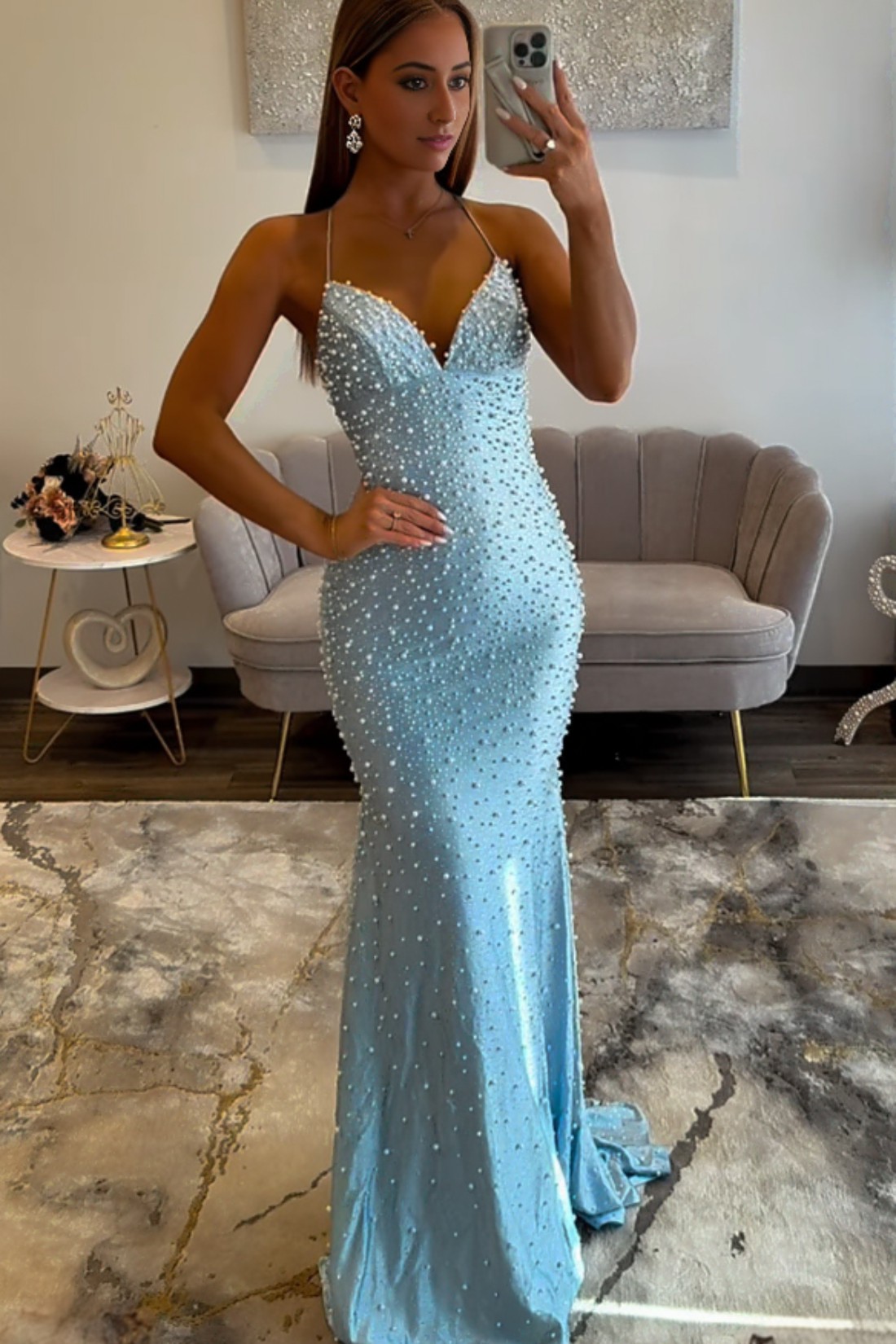
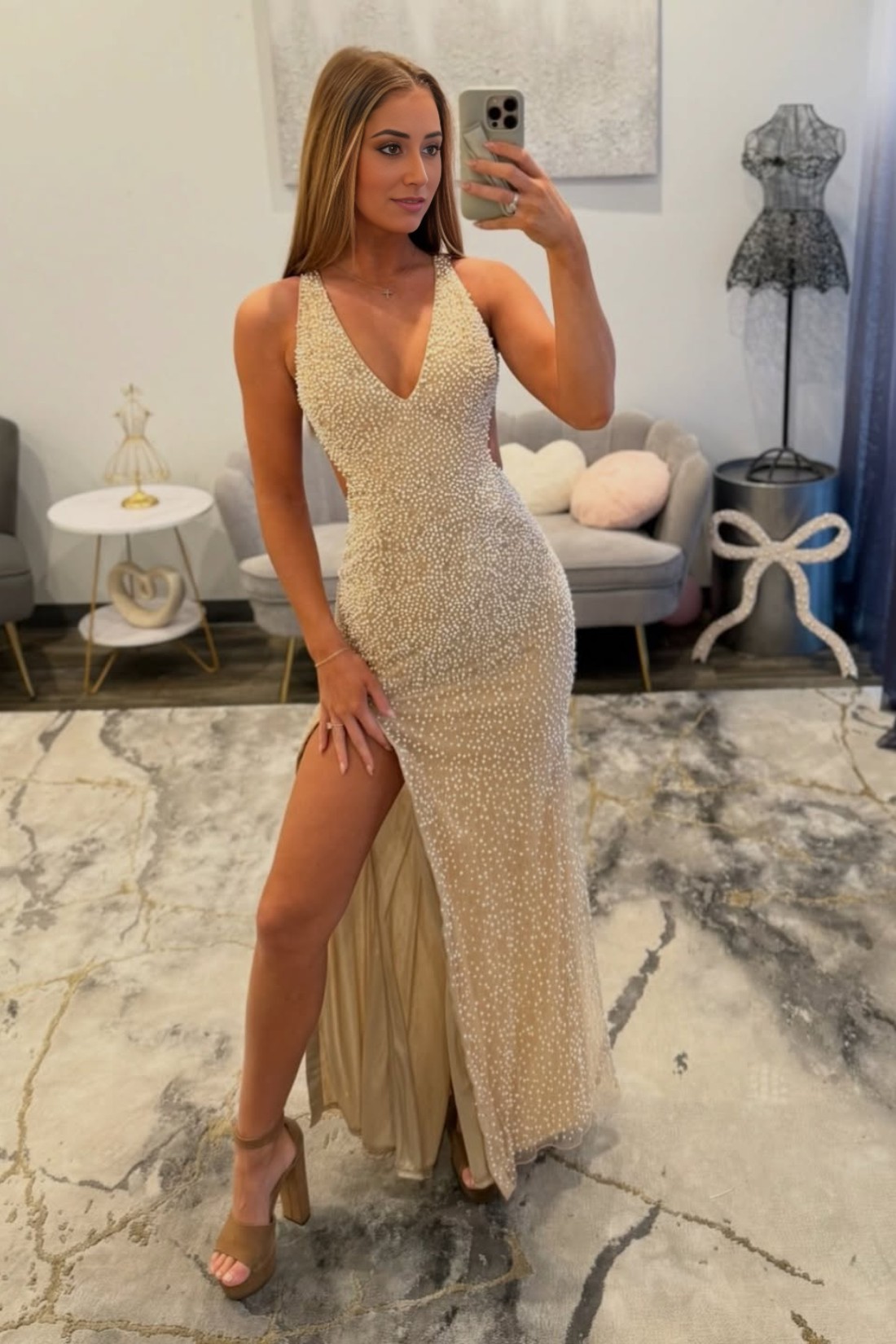
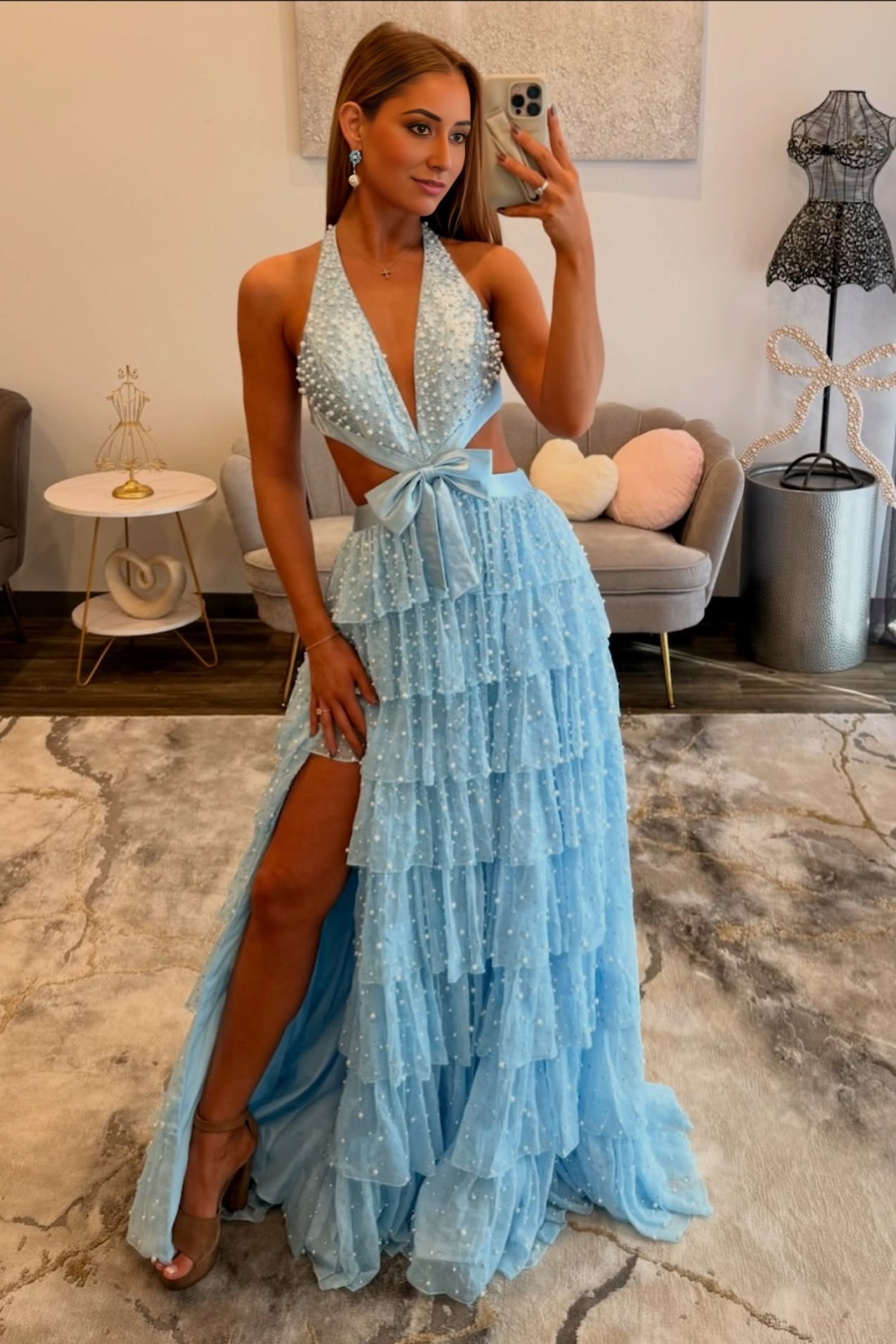
Imagine walking down the aisle in a gown that carries your grandmother’s dreams, your mother’s joy, and now your own vows. This isn’t just fantasy—creative brides worldwide are reviving heirloom gowns with stunning results. For the 2025 bride, transforming a family treasure into a modern masterpiece blends sustainability, sentiment, and style. Here’s how to reimagine your heritage dress for today’s celebrations.
The Emotional Power of Legacy Gowns
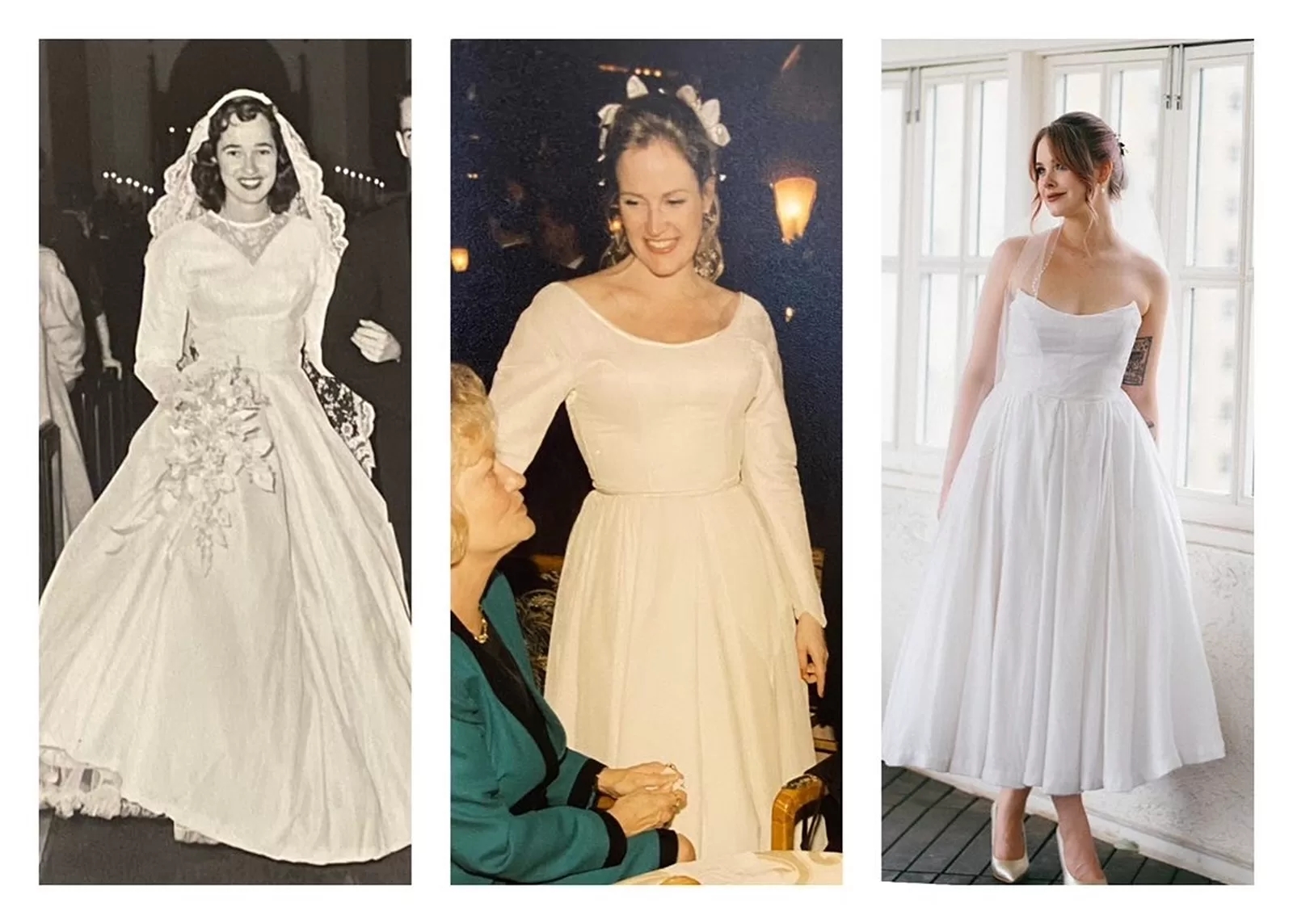
When Julia wore her grandmother’s 1950s wedding dress, she didn’t just alter fabric—she fulfilled a dream. Her grandmother, Georgie, had studied fashion design but shelved her ambitions after marriage. Decades later, Julia restored the yellowing gown: removing sleeves, updating the neckline, and adding a hidden back zipper. At her ceremony, the dress linked generations—proof that heritage pieces hold unmatched emotional weight. As Julia shared, her grandmother whispered: "I lived long enough to see a dress walk off the page". This intergenerational magic is why 67% of brides consider heirlooms for their ceremonies.
5 Revolutionary Transformation Strategies
-
Structural Reinvention:
Shanghai bride Xia Zhang transformed her mother’s 1990s lace-sleeve gown into a sleek strapless silhouette. Master tailor Yin Bolong first reinforced fragile fabrics with new tulle lining, then recut panels for a modern fit. The key? Prioritizing structural integrity before aesthetics. As Yin notes, "Like renovating old buildings, vintage gowns need ‘reinforcement’ first". Expect 6-8 weeks and costs up to $800 for complex rebuilds.
-
Creative Hybridization:
Why choose between vintage and modern? Merge them. One bride combined sections of her grandmother’s 1940s gown with contemporary silk dupioni, creating a two-tone skirt symbolizing past and present. Alternatively, deconstruct the original into accessories: convert lace trim into a cape collar, or beadwork into jewelry.
-
Practical Redesign:
Post-wedding versatility matters. Consider these adaptations:
-
Shortened styles: Convert full skirts into cocktail-length dresses for anniversaries.
-
Detachable elements: Add removable overskirts or sleeves for multi-ceremony flexibility.
-
Fabric repurposing: Use surplus material for christening gowns or patchwork quilts.
Pro Tip:Preserve 30% of original fabric untouched for future generations’ use.
-
-
Sustainable Upcycling:
When gowns are beyond repair, harvest their beauty:
-
Frame intricate bodices as wall art.
-
Craft lace into table runners or vow books.
-
Transform silk into heirloom storage boxes.
One resourceful grandmother even created flower girl dresses from recycled curtains—proving creativity trumps budget.
-
-
Size & Fit Solutions:
Heirlooms rarely fit perfectly. Expert tailors use these techniques:
-
Expansion: Utilize seam allowances (typically allowing 2-4 inches of adjustment).
-
Strategic inserts: Add matching fabric panels in side seams or back lattices.
-
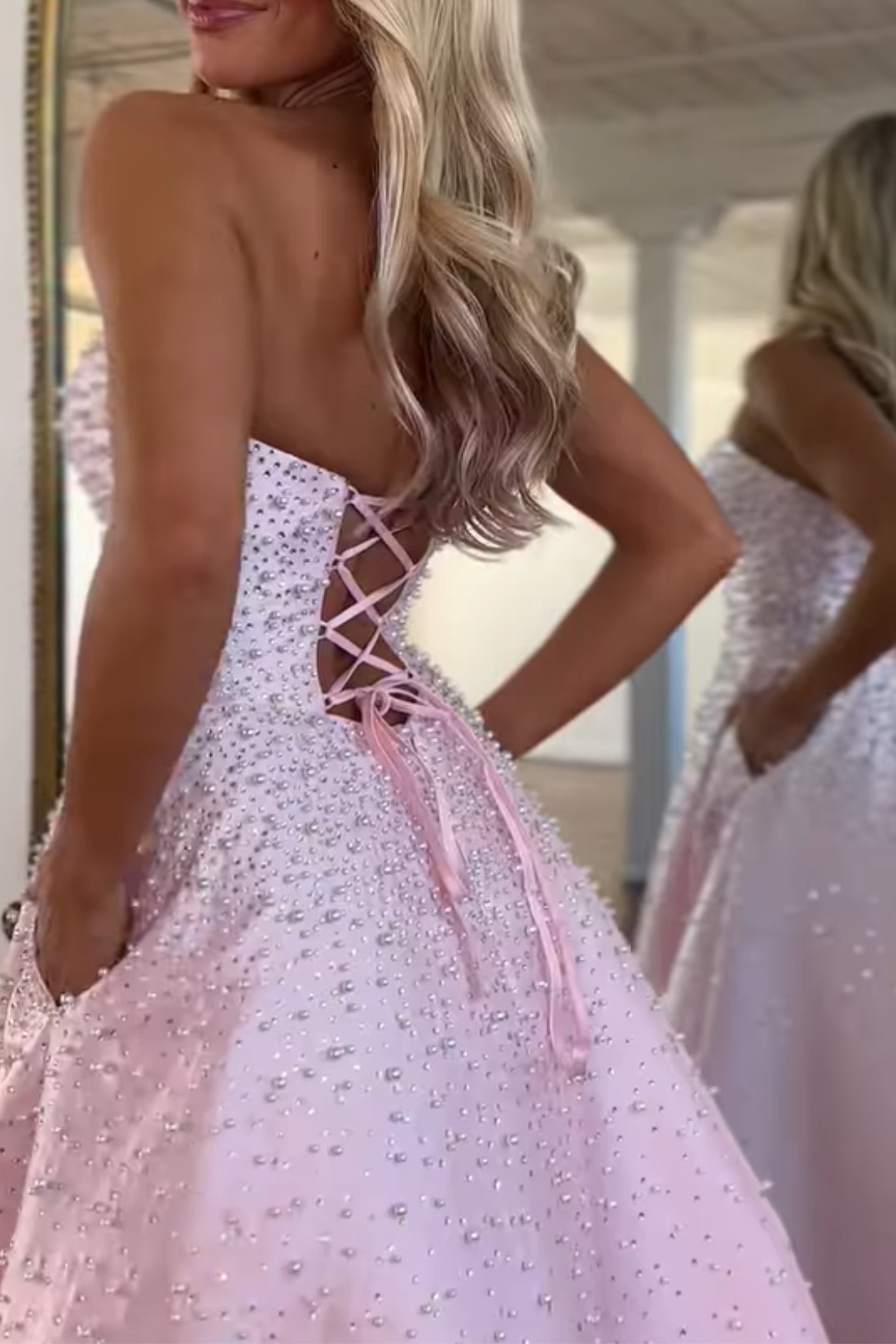
Corsetry: Replace zippers with lace-up backs for adjustable sizing.
Note:Always bring your wedding undergarments during fittings.
-
Why 2025 is the Year for Heirloom Gowns
Modern brides crave meaning beyond aesthetics. Transforming legacy dresses:
-
Reduces textile waste (the average wedding gown consumes 20+ yards of fabric).
-
Honors family narratives in an increasingly disposable culture.
-
Creates one-of-a-kind pieces reflecting personal history.
As YesBabyOnline’s design team affirms: "The most breathtaking gowns aren’t bought—they’re reborn."
Your Turn: Have an heirloom gown awaiting new life? Share its story with YesBabyOnline’s stylists for a bespoke redesign consultation. Together, we’ll weave your past into tomorrow’s unforgettable moment.
For further assistance, please contact sales@yesbabyonline.com.💫